
Not every need can be met by a standard sedan or pickup rolling off a dealership lot. From families needing safe transportation for a loved one with mobility challenges to businesses hauling heavy freight across rugged terrain, specialty vehicles have quietly become essential to everyday life. Understanding what makes these vehicles different, how to maintain them, and where to find qualified help can save you time, money, and frustration. This guide breaks down the growing world of specialty vehicles so you can make smarter decisions whether you are buying, maintaining, or repairing one.
Heavy Duty Trucks Built for Serious Work
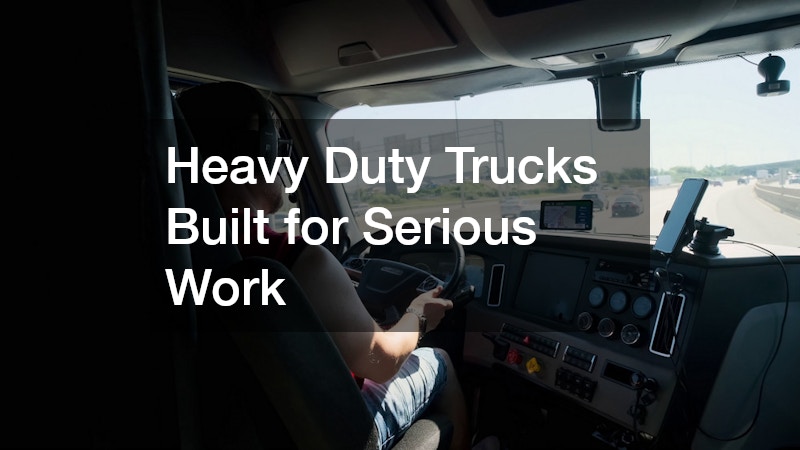
Heavy-duty trucks have carved out a massive niche because standard pickups simply cannot handle certain jobs. Contractors, farmers, and long haul operators often turn to vehicles powered by detroit diesel trucks engines because of their reputation for torque, longevity, and reliability under constant strain. These engines are engineered to withstand thousands of hours of operation, making them a favorite among fleet owners who cannot afford unexpected downtime.
Choosing a heavy-duty truck also means thinking ahead about maintenance costs and parts availability. Owners who invest in these vehicles typically budget for specialized servicing since the components differ significantly from consumer-grade trucks.
- Look for trucks with proven engine platforms and strong resale value
- Ask about maintenance intervals specific to diesel powertrains
- Consider towing capacity versus your actual workload needs
- Factor in fuel type availability in your area
Off-Road Vehicles Designed for Rough Terrain
Off-road enthusiasts and professionals alike are increasingly drawn to vehicles that can handle mud, rock, sand, and steep grades without breaking down. Many of these builds rely on off road diesel setups because diesel engines generally deliver better low-end torque, which is critical for crawling over obstacles or pulling heavy loads through soft terrain. A diesel engine’s torque curve peaks at lower RPMs than a comparable gas engine, meaning drivers get maximum pulling power right when they need it most, whether that’s climbing a rocky incline or dragging a stuck trailer out of a creek bed.
This makes them popular not just for recreation but also for ranch work, mining operations, and remote construction sites. Ranchers use diesel trucks and UTVs to haul feed and equipment across uneven pastures for years without major engine strain, while mining and drilling operations favor diesel platforms for their durability under constant heavy loads and long duty cycles.
Beyond torque, off-road diesel setups tend to offer better fuel economy on long hauls and greater range between fill-ups, an important factor when working miles from the nearest fuel station. Aftermarket support has also grown considerably, with lift kits, upgraded suspension components, all-terrain tires, and skid plates letting owners tailor a rig to specific terrain, whether that’s deep dunes, rocky mountain trails, or thick mud pits. Diesel engines also tend to run cooler under sustained low-speed strain, which matters when a vehicle is grinding through technical terrain for hours rather than cruising on pavement.
Selecting the right off-road vehicle depends heavily on intended use. A weekend trail rider has very different needs than someone using their vehicle daily for backcountry work.
For occasional recreation, side-by-sides like the Polaris RZR or Can-Am Maverick offer nimble handling and manageable price tags, typically ranging from $15,000 to $30,000. These machines excel at dune runs, rocky trails, and mud pits without demanding the maintenance schedule of heavier equipment.
Ranch owners, oil field workers, and utility crews need something built for durability over speed. Full-size trucks with lifted suspensions, upgraded skid plates, and 35-inch or larger tires handle daily abuse better than lighter recreational models, even though they cost more upfront and burn more fuel.
Ground clearance, wheelbase, and tire type all matter beyond horsepower. A short wheelbase improves maneuverability on tight switchbacks, while a longer one offers stability at speed across open terrain. Buyers should also weigh water fording depth, approach and departure angles, and whether they need a winch rated for their vehicle’s full weight before committing to a purchase.
- Ground clearance and suspension travel matter more than raw horsepower, with 10+ inches of clearance and long-travel shocks smoothing out rocks, ruts, and washouts
- Diesel setups often provide better fuel economy and low-end torque, making them a favorite for long expeditions and towing over rough backcountry routes.
- Skid plates and reinforced undercarriages protect vital components like the oil pan, transfer case, and fuel tank from rock strikes.
- Locking differentials and low-range gearing help maintain traction when wheels lose contact on uneven surfaces.
- Tire selection should match the terrain you frequent most, with mud-terrain tires for soft ground and all-terrain tires for mixed rock and gravel.
- Winches and recovery gear are essential add-ons, since even well-built rigs can get stuck in mud, sand, or steep inclines.
Wheelchair Accessible Vehicles for Everyday Independence
For families supporting a member with limited mobility, a car wheelchair lift can be the difference between isolation and independence. These lifts are engineered to safely load and unload wheelchairs or scooters without requiring the user to transfer seats, which reduces physical strain and risk of injury. Modern lifts are also designed to be compact enough that they do not significantly reduce interior cargo space.
Many families eventually upgrade to an accessible van because it offers more interior room, easier ramp or lift installation, and better long-term comfort compared to retrofitting a smaller vehicle. These vans are built with lowered floors, widened doorways, and reinforced flooring to support both the equipment and the additional weight safely.
- Confirm the lift or ramp is rated for the specific mobility device being used.
- Check the vehicle’s interior height clearance before purchasing
- Ask about warranty coverage on both the vehicle and the mobility equipment
- Consider power versus manual ramp systems based on caregiver strength
Transmission Health in Specialty and Heavy Use Vehicles
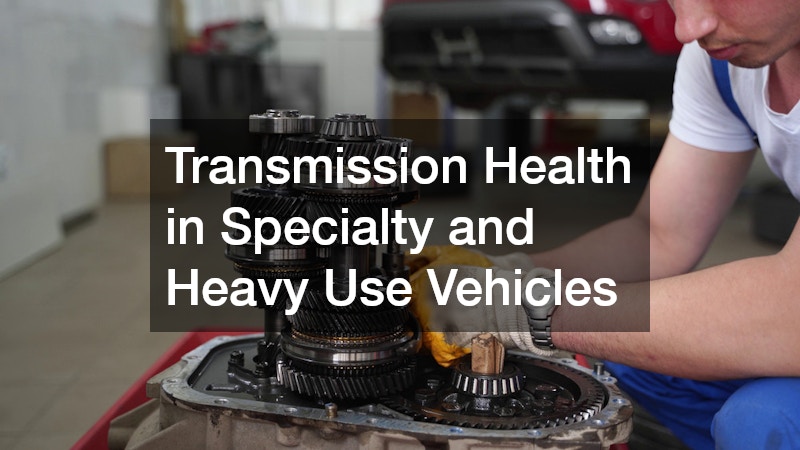
Specialty vehicles, especially those used for towing, hauling, or off-road work, put far more stress on their transmissions than a typical commuter car. Regular attention to fluid condition and shift performance can prevent small issues from becoming catastrophic failures. Many owners wait too long to seek a transmission repair service, only to discover that a simple fluid flush could have prevented a full rebuild.
Warning signs are often subtle at first, which is why routine inspections matter so much for vehicles under heavy use. Catching problems early through a professional transmission repair evaluation can extend the life of the vehicle by years and save thousands in replacement costs.
- Watch for delayed engagement when shifting from park to drive
- Note any burning smell, which often indicates overheated fluid
- Listen for grinding or whining noises during gear changes
- Schedule fluid changes more frequently if towing regularly
Specialty Repair Shops and Brand Specific Expertise
Not every mechanic is equipped to handle every make of vehicle, and this becomes especially true with European imports that use proprietary parts and diagnostic systems. Manufacturers like Volvo, BMW, and Mercedes-Benz often design components and software interfaces that require brand-specific scan tools to read fault codes accurately, something a generalist shop may not have on hand.
Owners of certain models often seek out a dedicated Volvo car repair garage because these shops carry brand-specific tools and training that a general repair shop may lack. Technicians at these specialty garages typically complete manufacturer-sponsored certification programs, giving them direct access to technical service bulletins and factory repair procedures that aren’t always available to independent shops.
This specialization often results in faster diagnostics and more accurate repairs. It also tends to preserve resale value, since documented service history from a brand-authorized or brand-focused garage reassures future buyers that the vehicle was maintained to factory standards.
Beyond diagnostics, these shops usually stock model-specific parts inventories, reducing wait times for repairs that might otherwise require special ordering. For owners weighing cost against convenience, that reduced downtime often offsets the modestly higher labor rates these specialty garages tend to charge.
Choosing a shop with manufacturer-specific experience can also protect your warranty and resale value. Many warranties require documented service at intervals set by the manufacturer, and a shop unfamiliar with those requirements may skip steps that later void coverage. Specialty shops that work exclusively on brands like BMW, Sprinter vans, or diesel trucks typically keep detailed records that align with what dealers and future buyers expect to see.
Technicians familiar with a particular brand’s quirks are more likely to catch early warning signs before they become expensive problems. A mechanic who has serviced hundreds of Ford Super Duty trucks, for example, knows exactly which transmission or turbocharger issues tend to surface around certain mileage marks. That kind of pattern recognition comes from repetition, not general training, and it often means a problem gets caught during a routine inspection rather than after a breakdown.
Access to brand-specific diagnostic tools and factory training also matters more than many owners realize. General repair shops sometimes rely on generic code readers that miss manufacturer-specific fault codes, leading to guesswork or unnecessary part replacement. Specialty shops that invest in OEM software and attend manufacturer certification courses can pinpoint issues faster, which usually saves both time and money in the long run.
- Ask if the shop uses manufacturer-approved diagnostic software, since generic scanners often miss brand-specific fault codes on European and specialty models.
- Request certification details for technicians, such as ASE specialty credentials or factory training programs from BMW, Mercedes, or Porsche
- Compare parts sourcing between dealership and independent specialty shops, checking whether they use OEM, OEM-equivalent, or aftermarket components.
- Ask about warranty coverage on repairs, since many specialty shops offer 12,000 to 24,000 mile guarantees on parts and labor.
- Read reviews specific to your vehicle’s make and model, not just general shop ratings, to gauge experience with your exact platform.
- Check how many similar vehicles the shop services weekly, as low volume can mean limited hands-on familiarity with quirks unique to your model.
Motorcycle Maintenance and Finding Trustworthy Help
Motorcycles require a different kind of maintenance knowledge compared to cars, from chain tension to carburetor tuning on older models. Riders who want personalized attention often prefer working with a local motorcycle mechanic rather than a large chain shop, since smaller shops tend to build long-term relationships and remember the specific quirks of a rider’s bike. This familiarity can lead to more accurate troubleshooting over time.
Regular maintenance on a motorcycle is arguably more critical than on a car because mechanical failure can have more severe consequences for the rider. Simple habits like checking tire pressure and brake pad wear can prevent dangerous situations on the road.
- Schedule chain lubrication and adjustment every few hundred miles
- Inspect brake fluid and pad thickness seasonally
- Check battery terminals for corrosion, especially after winter storage
- Ask your mechanic about model-specific recall history
What to Do Legally After a Specialty Vehicle Collision

Accidents involving specialty vehicles, whether it is a heavy truck, an accessible van, or a motorcycle, often involve more complicated claims than standard car accidents. Understanding basic car accident law can help vehicle owners protect themselves financially, especially when custom modifications or expensive equipment like wheelchair lifts are involved. Insurance companies may undervalue these vehicles if they do not fully understand the specialized equipment installed.
Because these cases can involve unique valuation challenges, many owners take time to research how car accident law treats modified or commercial vehicles before filing a claim. Consulting a car accident attorney early on can help owners understand their options and avoid costly missteps during negotiations. Knowing these rules in advance can be particularly important when a lift, ramp, or custom drivetrain adds significant value that a standard insurance adjuster might overlook.
- Document all custom modifications with receipts and photos before an accident occurs.
- Request an independent appraisal if you disagree with an insurance valuation.
- Keep detailed records of any medical equipment integrated into the accessible van.
- Report the collision promptly and gather statements from any witnesses at the scene.
Long Term Ownership Costs Across Specialty Vehicle Types
Specialty vehicles often come with a higher total cost of ownership than standard cars, and understanding this upfront helps buyers avoid financial surprises. Insurance premiums, specialized parts, and labor rates for technicians trained on niche systems all add up over time. Buyers should research these costs before committing, rather than after signing a purchase agreement.
Resale value can also differ significantly depending on how well documented the maintenance history is. Vehicles with thorough service records, especially those involving major systems like engines and transmissions, tend to hold value better in the used specialty market.
- Request full maintenance records before buying a used specialty vehicle
- Compare insurance quotes specifically for modified or commercial vehicles
- Budget annually for specialized inspections beyond standard oil changes
- Factor in potential downtime costs if the vehicle is used for income generation
Specialty vehicles serve real, often life-changing purposes, but they come with unique maintenance, legal, and financial considerations that standard car ownership does not require. Taking time to understand engine types, mobility equipment, brand-specific repair needs, and your legal protections will help you avoid costly mistakes down the road. Whether you are shopping for your first accessible van or maintaining a fleet of heavy-duty trucks, informed decisions start with asking the right questions before problems arise. Start by evaluating your specific needs today, and seek out qualified professionals who understand the vehicle type you depend on most.
About the Author