Transportation depends on much more than keeping a vehicle running. Drivers and businesses may need to consider safety, vehicle appearance, infrastructure, customization, legal responsibilities, and the logistics involved in moving people or equipment. These needs can vary significantly depending on whether someone drives a personal vehicle, operates commercial trucks, manages a property, or regularly transports materials for business activities. A practical transportation strategy takes these different factors into account rather than focusing exclusively on oil changes, tires, and engine performance. Planning can also make it easier to respond when unexpected problems occur, whether that involves a damaged vehicle component, an accident, an infrastructure issue, or an upcoming business event. By looking at transportation as a broader system, vehicle owners and businesses can identify services and improvements that support safer, more convenient, and more organized operations.
Prioritize Stopping Performance as Part of Vehicle Safety
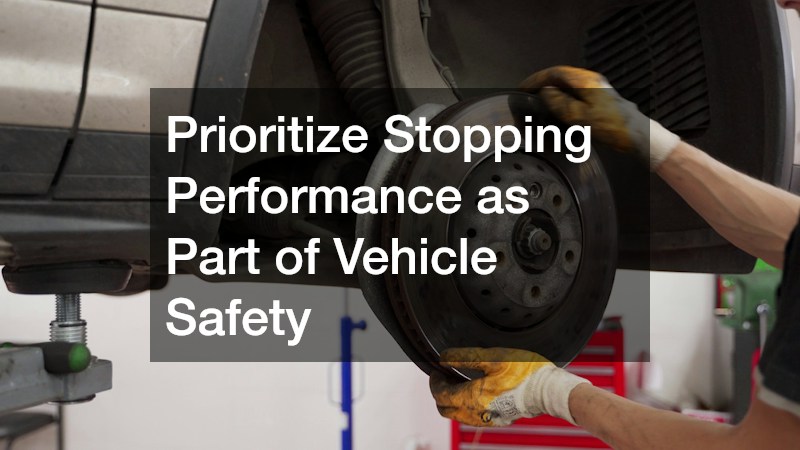
A vehicle’s ability to stop reliably is one of the most important aspects of everyday driving. Brake components experience repeated friction and wear, and problems may develop gradually rather than appearing as an obvious failure. Drivers should pay attention to changes such as unusual sounds, vibrations, pulling while braking, or a pedal that feels different than usual. Addressing these signs promptly can help prevent a relatively small maintenance concern from becoming more disruptive.
Regular inspections can be incorporated into a broader vehicle maintenance schedule. The frequency of service can depend on driving habits, traffic conditions, vehicle type, and how heavily the vehicle is used. Drivers can also keep records of completed work so they have a clearer picture of previous maintenance.
Useful habits include:
- Pay attention to changes in braking performance.
- Have unusual noises or vibrations inspected.
- Check brake components during routine maintenance.
- Keep maintenance records organized.
- Avoid postponing repairs when performance changes occur.
Professional auto brake service can provide inspection and repair when brake components need specialized attention. Maintaining stopping performance is an important part of managing transportation safely.
Know What to Do When a Collision Disrupts Your Plans
A vehicle collision can create challenges that extend well beyond repairing the vehicle. Drivers may need to deal with insurance claims, property damage, injuries, disputed responsibility, lost time, and other consequences. Taking organized steps immediately after an incident can make it easier to document what happened and keep important information together.
If conditions permit, drivers should document the scene and exchange relevant information with the other parties involved. Photographs, contact information, insurance details, witness information, medical records, repair estimates, and other documentation may become important later. Drivers should also follow applicable reporting requirements and avoid making assumptions about responsibility before all relevant information has been reviewed.
After a collision, consider:
- Recording the location and circumstances.
- Photographing vehicle and property damage.
- Collecting contact and insurance information.
- Keeping copies of medical and repair records.
- Maintaining communications related to the incident.
- Reviewing disputed issues with an appropriate professional.
Car accident lawyers can provide legal guidance when questions about liability, compensation, injuries, or insurance disputes arise. Understanding the available legal process can help a driver make informed decisions after an unexpected transportation disruption.
Protect Visibility When Vehicle Glass Becomes Damaged
Clear windows contribute to visibility, weather protection, security, and overall vehicle usability. Damage to side windows, rear glass, or other vehicle glass can interfere with these functions, even when the vehicle remains mechanically operational. A damaged window can also expose the interior to rain, debris, or unauthorized access.
The appropriate response depends on the location and extent of the damage. A small issue may have different implications from extensive damage that affects the driver’s view or compromises the structure around the glass. Drivers should avoid treating significant damage as purely cosmetic, particularly when it interferes with visibility or normal operation.
When dealing with damaged glass:
- Assess whether visibility is affected.
- Protect the interior from weather when practical.
- Avoid operating the vehicle if damage creates a safety concern.
- Keep damaged glass from creating additional hazards.
- Have the affected area professionally evaluated.
Car window replacement can restore the affected portion when repair is not appropriate. Choosing the right solution can help return the vehicle to normal use while addressing visibility and protection concerns rather than simply covering the damage temporarily.
Improve Vehicle Access Around Commercial Properties
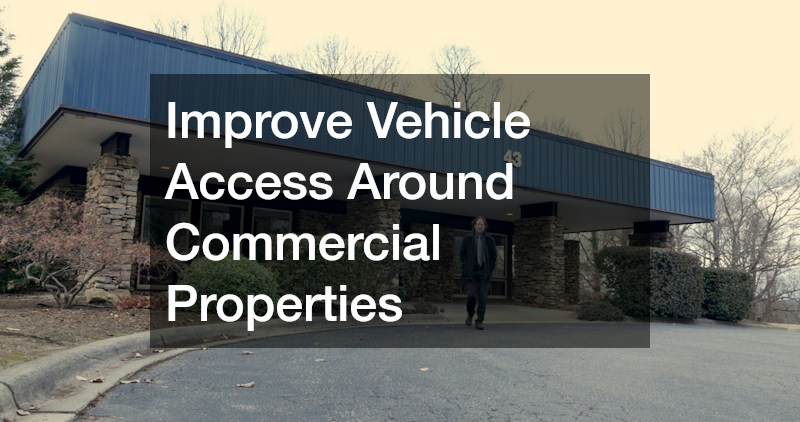
Transportation efficiency can depend on the property where vehicles are stored, loaded, repaired, or parked. An access point that is too narrow, difficult to operate, or poorly maintained can interfere with routine vehicle movement. This matters for garages, workshops, warehouses, service businesses, and other properties that depend on regular vehicle access.
When evaluating an entrance, consider the size and type of vehicles that use it. Clearance should account for mirrors, roof-mounted equipment, trailers, and other dimensions relevant to the vehicles operating through the opening. Lighting and surrounding space also matter because drivers need enough room to approach, enter, exit, and maneuver safely.
Property owners can review:
- Door width and height.
- Clearance around the entrance.
- Lighting near vehicle access points.
- Condition of tracks and operating components.
- Obstructions near the doorway.
- Space needed for turning and maneuvering.
Reliable garage doors can support smoother movement between indoor and outdoor areas. Regular inspection and maintenance can also identify problems before a malfunction prevents vehicles from entering or leaving when access is needed.
Evaluate Alternative Fuel Options for Suitable Vehicles
Transportation planning can include evaluating whether an alternative fuel system is appropriate for a particular vehicle and its operating pattern. This decision requires more than considering fuel costs or environmental goals in isolation. Vehicle compatibility, fueling availability, storage requirements, expected mileage, and the practical demands of conversion all need to be reviewed.
A CNG conversion may be considered for certain vehicles when the technology and operating environment are compatible with the vehicle’s intended use. Before modifying, owners should research the vehicle requirements and work with qualified professionals familiar with the applicable system.
Important considerations include:
- Confirming that the vehicle is compatible.
- Reviewing available fueling locations.
- Evaluating typical driving distances.
- Understanding equipment and installation requirements.
- Considering how the modification affects daily operations.
- Planning for appropriate maintenance.
Alternative fuel decisions should fit the transportation pattern rather than being based on a single factor. A vehicle that travels predictable routes may present different considerations from one that regularly travels through areas with limited fueling options. Careful planning can help owners understand whether a conversion fits their actual transportation needs.
Keep Commercial Vehicles Looking Professional and Maintained
Commercial vehicles often spend considerable time in public view, making exterior condition part of a broader maintenance strategy. Faded finishes, scratches, damaged panels, and inconsistent colors can make a vehicle appear neglected even when its mechanical systems are functioning properly. Maintaining the exterior can also be useful when a business changes its branding or needs to update the appearance of an older vehicle.
Before arranging exterior work, inspect the vehicle carefully and identify areas that need preparation or repair. Surface condition, existing coatings, color requirements, and the amount of downtime available can all affect project planning. Scheduling cosmetic work alongside other planned maintenance may help reduce the number of times a commercial vehicle has to be taken out of service.
A project plan can include:
- Inspecting the entire exterior before work begins.
- Identifying damaged surfaces that require preparation.
- Confirming desired colors and design elements.
- Coordinating work around operating schedules.
- Allowing appropriate time for the finished surface to be ready.
A semi truck painting service can address larger commercial vehicles that require specialized preparation and application. Keeping exterior work organized helps businesses maintain their vehicles without overlooking operational scheduling.
Customize Vehicles Without Sacrificing Practicality

Vehicle customization can make transportation more useful when additions are selected around actual needs. Depending on the vehicle and its purpose, modifications may provide additional storage, improve organization, increase utility, or make equipment easier to access. However, adding too many items without considering compatibility can create unnecessary weight, clutter, or clearance problems.
Before purchasing an accessory, identify the specific problem it is supposed to solve. Consider how the addition will affect the vehicle’s available space, weight, operation, and maintenance. Owners should also verify that the product is appropriate for their particular vehicle rather than assuming that a component will fit because it is marketed for a similar model.
Before making an addition, consider:
- The accessory’s dimensions and weight.
- Compatibility with the vehicle.
- How it affects visibility and clearance.
- Whether installation requires modifications.
- How often the accessory will actually be used.
- Whether it creates additional maintenance requirements.
Truck accessories can be useful when they improve a vehicle’s functionality without interfering with its primary purpose. A focused approach to customization can produce a more practical setup while avoiding additions that provide little everyday value.
Prepare Infrastructure for Reliable Wastewater Management
Transportation-dependent businesses can rely on infrastructure that is not directly part of a vehicle but still affects daily operations. Commercial properties, service facilities, vehicle yards, and other locations may depend on wastewater systems that require regular inspection and maintenance. A problem with supporting infrastructure can interrupt normal activities just as effectively as a vehicle breakdown.
Property managers should understand which systems serve the facility and know where important components are located. Maintenance records can help track previous service, recurring issues, and recommended inspections. Signs such as unusual odors, drainage changes, backups, or other system abnormalities should receive attention rather than being ignored.
Infrastructure planning can include:
- Keeping system information and service records accessible.
- Knowing where major components are located.
- Monitoring for changes in drainage or system performance.
- Scheduling appropriate inspections.
- Keeping access areas clear for maintenance work.
Local lift station companies may provide services related to systems that move wastewater where gravity drainage is insufficient. Understanding these supporting systems can help businesses incorporate infrastructure maintenance into broader property and transportation planning instead of addressing problems only after operations are interrupted.
Plan Transportation Around Business Events and Exhibitions
Businesses that participate in trade shows and exhibitions often have transportation needs that differ from ordinary daily operations. Displays, signage, equipment, promotional materials, furniture, and other items may need to reach an event on a specific schedule. Missing a delivery window or damaging an important display can create complications that affect the entire event.
Transportation planning should begin by creating an inventory of what needs to travel. Measure larger items and determine how they will be loaded, secured, transported, unloaded, and stored. The return trip should also be considered, particularly when materials will be repacked after the event.
Before an event, businesses can:
- Create a complete transportation inventory.
- Measure large displays and equipment.
- Plan loading and unloading procedures.
- Protect fragile materials during transport.
- Coordinate arrival times with venue requirements.
- Plan for breakdown and return transportation.
Trade show booth services can support the broader logistical needs associated with preparing and presenting an exhibit. Connecting event planning with transportation logistics can reduce last-minute problems and make it easier to move materials efficiently from one location to another.
Understand Legal Considerations After Impaired Driving Charges

Transportation responsibilities also include understanding what can happen when driving results in legal consequences. An impaired driving charge can affect court obligations, licensing matters, insurance, transportation arrangements, and other areas of daily life. Because requirements vary by jurisdiction and individual circumstances, people facing a charge should pay close attention to official notices and applicable deadlines.
Keeping documents organized can make the legal process easier to navigate. Relevant records may include charging documents, court notices, correspondence, testing records, and information about licensing requirements. Individuals should also follow any applicable restrictions or instructions while their case is pending.
After a charge, consider:
- Keeping all legal documents together.
- Tracking court dates and deadlines.
- Following applicable driving restrictions.
- Reviewing licensing requirements.
- Maintaining records of communications.
- Obtaining legal guidance when appropriate.
A DUI lawyer can explain the legal process and help a person understand the issues that may apply to their circumstances. Addressing these matters promptly can help individuals understand their obligations while managing the transportation challenges created by the situation.
Transportation needs extend beyond routine vehicle maintenance. Safety, customization, infrastructure, event logistics, and legal responsibilities can all affect how vehicles are used. Considering these factors together can help drivers and businesses manage transportation more effectively.
About the Author