Owning a vehicle comes with responsibilities often overlooked when everything runs smoothly. A car may run normally even as tires wear, fluids deteriorate, or smaller problems develop. Regular maintenance helps owners recognize those changes before they interfere with safety or dependable transportation.
For beginners, the challenge is knowing which tasks matter, when to schedule them, and how to describe a problem clearly. Begin with the owner’s manual, a few basic observations, and a realistic plan for professional attention. You do not need to understand every component to make informed decisions about vehicle care.
Begin With a Clear Picture of Your Vehicle
Start by recording your vehicle’s model year, make, model, mileage, and any available maintenance records. These details determine appropriate fluids, tires, and parts. A car with an uncertain service history may also need a more comprehensive initial inspection than one with well-documented upkeep.
An auto mechanic can establish that baseline by reviewing wear, fluid conditions, and driving concerns. Describe what the vehicle does rather than guessing which component has failed. A specific observation, such as a vibration at highway speed, is more useful than an unsupported diagnosis.
Convenience matters when setting a routine. Comparing local car repair shops involves looking at appointment availability, communication practices, and experience with your type of vehicle. The goal is to find a provider you can consult consistently, not to expect identical service at every visit.
Use Time and Mileage to Build a Schedule
The owner’s manual is the foundation of a maintenance plan because intervals vary by vehicle and driving conditions. Some services are due after a certain distance; others have a time limit even when the vehicle has been driven very little. Record mileage and date after every visit.
Regular car repair does not follow a rigid calendar. A high-mileage commuter, a vehicle frequently driven in heavy traffic, and a car used mainly for short trips may have different maintenance demands. The manual may specify additional attention for severe operating conditions, so review those definitions instead of relying on a universal checklist.
Records prevent uncertainty. Keep invoices, inspection findings, and recommendations together, whether digitally or on paper. For future services, record the reason and timing. This makes it easier to distinguish an upcoming maintenance item from a problem that deserves prompt attention.
Give the Engine Consistent Attention
Engine oil reduces friction and helps manage heat inside the engine, but it cannot perform that job indefinitely. Intervals depend on the vehicle, oil, and driving conditions. Watch for dashboard alerts, unusual engine noises, or visible leaks, and follow the manufacturer’s guidance rather than choosing an interval based only on habit.
Some symptoms require more than scheduled maintenance. Persistent knocking, misfiring, rough idling, or a noticeable loss of power may justify an evaluation by a provider offering car engine repair services. Early diagnosis distinguishes minor faults from problems that may worsen with driving.
An illuminated check-engine light is information, not a complete diagnosis. Causes range from emissions faults to engine problems. If the light flashes or the car runs very poorly, reduce the risk of damage by stopping safely and arranging appropriate assistance. Do not ignore persistent warnings simply because the vehicle still moves.
Learn What Healthy Braking Feels Like
Brakes tend to change gradually, which makes it easy to overlook longer stopping distances or a pedal that feels different. Pay attention to squealing, grinding, pulling to one side, or vibration during braking. Repeated symptoms deserve inspection even when the cause is uncertain.
Brake repair may involve worn pads, damaged rotors, brake fluid issues, or other components. A professional inspection should establish what needs attention and whether it affects safe operation. If braking performance suddenly declines or a warning indicates a serious fault, avoid driving until the vehicle can be assessed safely.
Driving patterns influence brake wear. Frequent stops, steep roads, and heavy loads can place greater demands on the system than steady highway travel. During appointments, ask about friction materials and uneven wear. A clear explanation helps you understand urgency without treating every recommendation as an emergency.
Make Tire Condition a Regular Priority
Tires connect the vehicle to the road, affecting traction, steering response, and stopping performance. Pressure changes with temperature, and wear can develop unevenly. Use the vehicle’s door placard for inflation guidance, not the tire’s printed maximum. An inspection can also reveal cuts, bulges, or embedded objects.
Replacement decisions involve more than remaining tread. Providers offering used tire services should be able to discuss tire size, visible condition, age, and compatibility with the vehicle. A used tire’s history may be unknown, making assessment essential. Avoid treating any tire with apparently adequate tread as automatically suitable for continued use.
Rotation intervals vary, and alignment is not the same procedure as rotation. Rotation changes tire positions to promote more even wear when the vehicle’s configuration allows it. Alignment adjusts wheel angles affecting handling and tire life. Unusual wear patterns may point to inflation, alignment, or suspension concerns that should be diagnosed before another set wears prematurely.
Notice Changes in Handling and Starting
A vehicle should feel predictable when turning, accelerating, and traveling over ordinary road surfaces. New clunks, excessive bouncing, drifting, or steering-wheel vibration can suggest problems with tires, steering components, or suspension. Overlapping symptoms make a professional inspection important.
Electrical issues often provide different clues. Slow cranking, dimming lights, or repeated difficulty starting may involve the battery, charging system, or connections. An auto mechanic can test the relevant components rather than replacing a battery solely because the engine hesitates to start. Battery age and weather may provide context, but testing remains important.
Handling concerns also illustrate why car repair priorities should reflect safety, not just convenience. A mild rattle and a steering problem do not necessarily deserve the same response. Explain when a symptom appears, how long it lasts, and whether it has changed. Those details help a service provider decide what to inspect first.
Understand the Role of Fluids and Cooling
Oil is only one of several fluids that support vehicle operation. Coolant helps regulate engine temperature, while brake fluid, transmission fluid, and other specified fluids serve different systems. Levels and service intervals depend on vehicle design. A fluid that looks unusual or repeatedly drops below its expected level may indicate a leak or another concern.
Overheating is especially important to recognize. A rising temperature gauge, steam, or a warning message warrants a safe stop and professional guidance. Continuing to drive an overheating vehicle can cause serious damage, potentially leading to the need for car engine repair services. Never open a hot cooling system, because pressurized coolant can cause severe burns.
Not every vehicle has the same serviceable reservoirs or fluid-check procedures. Some systems require specialized equipment, and incorrect products can create problems. When booking maintenance, ask which fluids are due for inspection or replacement under the manufacturer’s schedule. This keeps recommendations tied to the vehicle rather than a generic list of treatments.
Take Shifting Problems Seriously
Whether a vehicle has an automatic, manual, or other transmission design, shifting should generally be consistent with its normal operation. Delayed engagement, slipping, unexpected jolts, or unusual sounds can signal a concern. Because symptoms sometimes overlap with engine or electronic faults, the first step is accurate diagnosis, not an immediate assumption that the transmission has failed.
Qualified transmission repair services can evaluate the behavior, check for relevant fault codes, and determine whether additional inspection is needed. Explain the driving conditions when the symptom appears, including speed, temperature, and whether the vehicle was accelerating. This information may help reproduce an intermittent issue that is difficult to observe during a short appointment.
Transmission maintenance is also model-specific. Some vehicles have particular fluid specifications and service procedures, while others do not use the traditional schedules owners might expect. Avoid assuming an older vehicle’s maintenance advice applies to a newer one. Written service history and manufacturer guidance are more dependable than broad claims about what every transmission requires.
Maintain a Clear View of the Road
Safe visibility depends on more than the windshield being clean. Wiper blades can harden or streak, washer systems can stop delivering fluid, and mirrors may become damaged or misaligned. Inspect visibility during daylight and nighttime driving, since glare and poor weather often reveal problems that are less noticeable on a clear afternoon.
A small chip is not automatically harmless. Its position, depth, and size, along with any cracking, affect whether repair may be appropriate or auto glass replacement is necessary. Because the windshield can contribute to structural protection and may support driver-assistance cameras, the correct replacement and any required calibration procedures are important considerations.
Glass-related decisions should be guided by visibility and vehicle specifications, not appearance alone. If damage obstructs the driver’s view or a crack spreads, arrange an assessment promptly. After glass work, ask about any instructions concerning adhesives, sensors, or driving-assistance features. Those details help ensure the vehicle returns to service in the intended condition.
Understand Where Window Tint Fits In
Window film belongs in a different category from oil changes and brake inspections. It is an optional improvement rather than a substitute for mechanical maintenance. Depending on the film, tint may reduce glare, help limit solar heat entering the cabin, and provide ultraviolet protection. Its performance varies with product type, glass, and installation quality.
When considering auto tinting, start with how you use the vehicle and what you want to improve. A driver concerned about afternoon sun may have different priorities from someone seeking greater privacy. State rules governing allowable darkness and reflectivity also differ, so legal compliance and nighttime visibility should influence any decision.
A provider offering auto window tinting services should explain film choices, expected appearance, and relevant care instructions. Ask how the film may interact with existing factory-tinted glass or vehicle features. Choosing a darker result without considering visibility can undermine the practical benefits, particularly when driving in rain or low light.
Protect Comfort and Exterior Condition
A clean cabin is easier to inspect for moisture, unusual odors, and deteriorating interior materials. Damp carpeting may point to a leak, while persistent mustiness could signal trapped moisture that needs investigation. Cabin air filters also have manufacturer-specified replacement guidance. Poor airflow or an unpleasant odor can prompt a closer look at the ventilation system.
Even a cosmetic upgrade needs ongoing attention. After auto tinting, owners should follow the installer’s guidance on curing time and approved cleaning methods to avoid damaging the film. Bubbling, peeling, or changes that interfere with visibility merit a professional assessment. Film condition is separate from the condition of the glass beneath it.
Exterior care serves a practical purpose as well. Removing road salt, dirt, and other contaminants helps limit prolonged exposure to materials that can damage finishes. Look for chipped paint, damaged weather seals, and areas where water collects. These observations can reveal small issues before corrosion or moisture intrusion becomes harder to address.
Adjust Your Routine as Conditions Change
Seasonal driving creates different demands. Cold weather can affect battery performance and tire pressure, while heat places additional stress on cooling systems. Heavy rain raises the importance of wipers, lights, and tire traction. Before a long trip, consider whether any upcoming service is due and whether known symptoms should be assessed first.
Weather can also expose braking concerns. If the pedal feels unusual or the vehicle pulls during stops, arrange an inspection to determine whether brake repair is needed instead of waiting for a seasonal appointment. Wet or slippery roads reduce the margin for error, so the timing of service should reflect the seriousness of the symptom rather than a convenient calendar date.
Windshield damage may become more conspicuous during temperature changes or when glare is strong. If an inspection shows that auto glass replacement is needed, ask whether the vehicle has camera-based safety features requiring additional procedures. Visibility is a year-round priority, but changing conditions can make existing defects more disruptive.
Decide What Needs Attention First
Maintenance plans sometimes reveal several concerns at once. Separate immediate safety needs from scheduled work and optional improvements. Ask the provider to explain the condition observed, the consequences of delaying service, and the recommended timing. A written summary can make those distinctions easier to review without assuming every item carries identical urgency.
Tire decisions offer a useful example of prioritization. If a tire is damaged or unsuitable, it deserves attention before comfort-related upgrades. When considering used tire services, evaluate fitment, condition, and professional assessment rather than treating the category itself as a guarantee of value. Safety depends on the individual tire and its compatibility.
Likewise, transmission repair services should enter the plan when shifting symptoms or diagnostic findings justify specialist attention, not merely because the vehicle has reached a round mileage figure. Ask what testing supports the recommendation and whether continued operation poses a risk. This approach links decisions to evidence rather than anxiety about a potentially complex system.
Build a Productive Relationship With a Service Provider
Good communication makes routine visits more useful. Describe symptoms in ordinary language, note when they occur, and bring available service records. Ask which items are required by the manufacturer, which are recommended because of observed wear, and which are optional. Clear answers make it easier to authorize appropriate work and plan future appointments.
When comparing local car repair shops, consider whether estimates and inspection findings are explained in understandable terms. A service provider should be able to distinguish diagnostics from confirmed repairs and discuss any limitations before proceeding. Trust grows through consistent communication and documented findings, not simply through the number of services advertised.
Specialized work may warrant specialized questions. For auto window tinting services, those questions concern film specifications, applicable regulations, and aftercare; for mechanical work, they concern symptoms, testing, and safety. The same principle applies in both cases: understanding what is being done and why helps you make decisions without needing to become a technician.
Keep Maintenance Manageable Over the Long Term
Regular vehicle care is most effective when it becomes a series of manageable decisions rather than an occasional response to a breakdown. Keep an accessible record, follow the manufacturer’s guidance, notice changes in how the car behaves, and address safety-related symptoms promptly. These habits create a clearer picture of what the vehicle needs throughout its life.
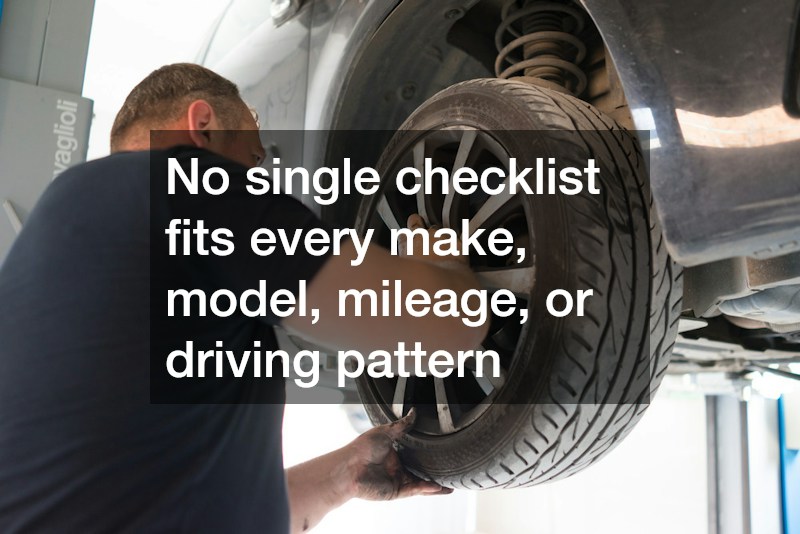
No single checklist fits every make, model, mileage, or driving pattern. The useful skill for a beginner is learning which signs deserve attention and when qualified help is appropriate. With a consistent schedule and informed questions, maintenance becomes less confusing, and the vehicle is better positioned to remain dependable through everyday travel.
About the Author