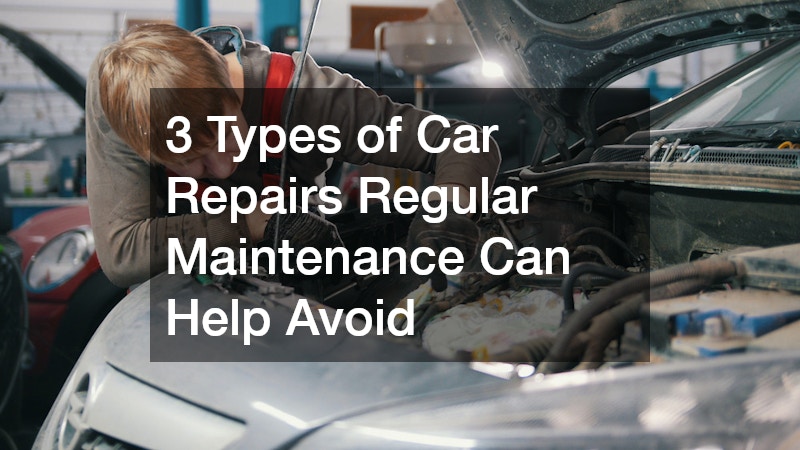
Regular vehicle maintenance plays a critical role in keeping your car running safely and efficiently. While many drivers focus on fixing problems after they occur, preventive maintenance can often stop those issues from developing in the first place. Routine inspections, fluid checks, and timely part replacements can significantly extend your vehicle’s life while helping you avoid costly disruptions. In fact, many major mechanical problems begin as small, manageable concerns that can be addressed early with regular service. Understanding which problems maintenance can help prevent allows drivers to take a more proactive approach to vehicle care and avoid unnecessary repairs down the road.
1. Engine Damage From Poor Oil Maintenance
One of the most common and costly issues drivers face is engine damage caused by neglected oil changes. Engine oil lubricates moving parts, reduces friction, and helps regulate engine temperature. Over time, oil naturally breaks down and collects debris, which reduces its effectiveness. When oil changes are skipped or delayed, engine components can begin to wear prematurely.
Without proper lubrication, internal parts such as pistons, valves, and bearings experience increased friction and heat. This added stress can lead to serious mechanical problems, including warped components, excessive wear, or even complete engine failure. In many cases, what begins as a simple maintenance oversight can quickly escalate into major car repairs that require extensive labor and replacement parts.
Routine oil changes help keep the engine clean and properly lubricated. During these services, technicians can also check for leaks, inspect filters, and identify early warning signs of potential problems. Addressing these concerns early can prevent minor wear from turning into significant mechanical damage.
2. Brake System Failures
Your vehicle’s braking system is one of its most critical safety components. Regular inspections and maintenance help ensure that brakes remain responsive and reliable. When brake pads, rotors, or fluid levels are neglected, stopping performance can gradually decline, increasing both safety risks and repair costs.
Brake pads naturally wear down over time as they create friction against the rotors to slow the vehicle. If worn pads are not replaced promptly, they can begin grinding directly against the rotors, causing damage that requires more extensive service. What could have been a simple pad replacement may eventually turn into costly car repairs involving rotor resurfacing or full component replacement.
Brake fluid also plays an important role in maintaining proper braking performance. Over time, moisture can accumulate in the brake fluid, reducing its effectiveness and potentially leading to corrosion within the brake lines and hydraulic system. Regular fluid checks and replacements help maintain consistent pressure throughout the braking system.
3. Transmission Problems
Transmission repairs are often among the most expensive automotive services, but many of these problems can be avoided through regular maintenance. The transmission is responsible for transferring power from the engine to the wheels, allowing the vehicle to shift smoothly between speeds. Because it contains numerous moving parts, it relies heavily on proper lubrication and fluid quality to function correctly.
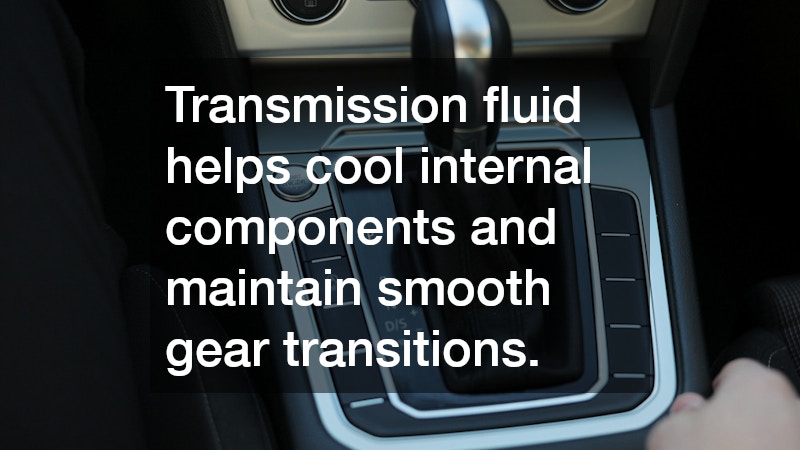
Transmission fluid helps cool internal components and maintain smooth gear transitions. Over time, however, the fluid can degrade and accumulate contaminants that interfere with the transmission’s performance. If the fluid becomes too dirty or low, drivers may begin to notice symptoms such as delayed shifting, slipping gears, or unusual noises while driving.
Ignoring these early warning signs can eventually lead to severe mechanical damage. In extreme cases, a failing transmission may require a complete rebuild or replacement. These types of car repairs are not only expensive but can also leave a vehicle out of service for an extended period.
Preventive maintenance is one of the most effective ways to protect your vehicle from unexpected breakdowns and costly service visits. By staying consistent with oil changes, brake inspections, and transmission maintenance, drivers can address small concerns before they escalate into major mechanical failures. These routine services not only improve reliability and performance but also extend the overall lifespan of your vehicle. Rather than waiting for problems to appear, a proactive maintenance routine allows drivers to reduce the likelihood of serious repairs while maintaining a safer and more dependable vehicle. With regular care and professional inspections, many of the most common automotive issues can be avoided, helping drivers save both time and money in the long run.
About the Author