Keeping your vehicle running smoothly for as long as possible is a goal common to every car owner. With diligent care and a commitment to regular maintenance, it’s entirely possible to extend your car’s lifespan well beyond the average. The following article provides a detailed guide full of practical, actionable tips that, when followed, can help you achieve this goal.
Initiating Regular Check-Ups
Regular auto inspections are among the most effective ways to preserve your vehicle’s performance and reliability over time. During routine check-ups, trained technicians can detect early warning signs—such as worn belts, minor leaks, or irregular engine behavior—before they develop into serious mechanical failures. Addressing these smaller issues promptly not only reduces repair costs but also prevents unexpected breakdowns that could leave you stranded.
Regular inspections also ensure your vehicle remains compliant with local safety and emissions standards. This is especially important in areas where periodic testing is required by law. Staying up to date with inspections helps you avoid fines, ensures your car is roadworthy, and contributes to a safer driving environment for everyone.
Beyond compliance, inspections provide a comprehensive evaluation of critical safety components. Systems such as brakes, tires, suspension, and lighting are all assessed for wear and functionality. Identifying deterioration early allows for timely maintenance, improving overall vehicle safety and giving you greater confidence behind the wheel.
Fluid monitoring is another key aspect of routine inspections. Essential fluids—including engine oil, coolant, transmission fluid, and brake fluid—play a vital role in regulating temperature, reducing friction, and ensuring smooth operation. Low or contaminated fluids can significantly impact performance and lead to costly engine damage. Regular checks and top-ups help maintain optimal efficiency and extend your vehicle’s lifespan.
Establishing a Relationship with Trusted Repair Services
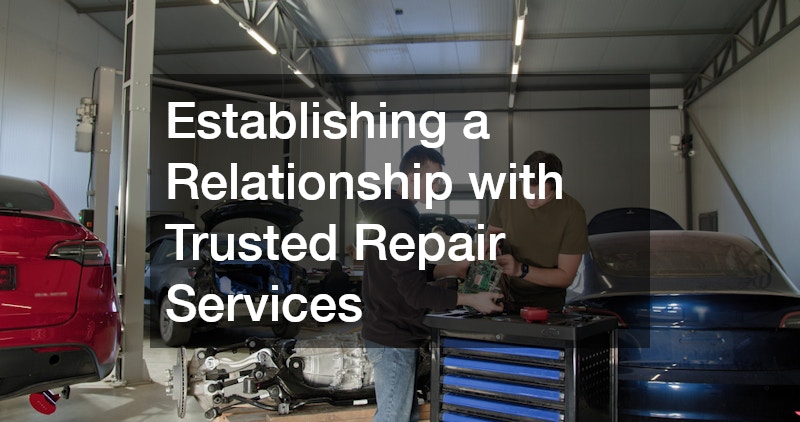
Developing a long-term relationship with a trusted auto repair services provider offers benefits that go far beyond occasional maintenance. A reliable mechanic becomes familiar with your vehicle’s history, usage patterns, and specific needs, allowing them to deliver more accurate diagnostics and tailored service recommendations. This personalized approach reduces guesswork and ensures that maintenance is both effective and efficient.
Over time, this familiarity enables mechanics to identify subtle changes in your vehicle’s performance that might otherwise go unnoticed. Whether it’s a slight vibration, unusual noise, or performance dip, an experienced technician who knows your car can quickly pinpoint the cause and recommend the appropriate fix. This proactive care helps prevent minor concerns from escalating into major repairs.
Another significant advantage is access to professional-grade tools, diagnostic equipment, and up-to-date technical knowledge. Modern vehicles rely heavily on advanced electronics and computer systems, making expert service essential. A trusted repair shop stays current with industry developments, ensuring your vehicle receives the highest standard of care.
Additionally, having an established relationship fosters transparency and trust. You’re more likely to receive honest assessments, fair pricing, and clear explanations of necessary repairs. In the long run, this partnership not only enhances your vehicle’s reliability but also provides peace of mind knowing your car is in capable hands.
Maintaining and Monitoring Brakes
Your vehicle’s braking system is one of its most critical safety features, making regular maintenance essential. Brake components naturally wear down over time due to constant friction and heat, and delaying repairs can compromise both safety and performance. Ensuring your brakes are in optimal condition allows for responsive stopping power and reduces the risk of accidents.
Routine inspections typically involve checking brake pads, rotors, calipers, and brake fluid levels. Worn brake pads, for instance, can damage rotors if not replaced promptly, leading to more expensive repairs. Similarly, contaminated or low brake fluid can reduce braking efficiency and increase stopping distances.
It’s important to pay attention to warning signs such as squealing noises, grinding sounds, vibrations when braking, or a soft brake pedal. These symptoms often indicate underlying issues that require immediate attention. Ignoring them can result in complete brake failure, posing a serious safety hazard.
Regular brake maintenance not only ensures safety but also supports overall vehicle performance. A well-maintained braking system reduces strain on other components and contributes to smoother, more controlled driving. Investing in timely brake repairs ultimately protects both your vehicle and everyone on the road.
Addressing Tire and Wheel Issues
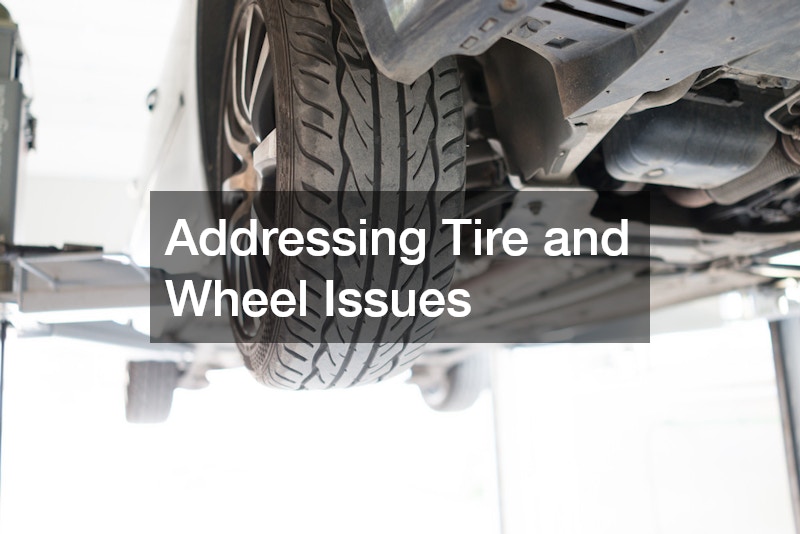
Wheels and tires play a crucial role in your vehicle’s handling, stability, and fuel efficiency, yet they are often subjected to constant stress from road conditions. Potholes, debris, and uneven surfaces can gradually affect alignment, balance, and tire integrity. Routine wheel maintenance is essential to ensure a smooth and safe driving experience.
Key services such as tire rotation, wheel alignment, and balancing help distribute wear evenly across all tires. Uneven tread wear can reduce traction, especially in wet or slippery conditions, increasing the risk of accidents. By correcting alignment and balance issues early, you improve handling and extend the lifespan of your tires.
Regular inspections can also detect problems like sidewall damage, low tread depth, or improper tire pressure. These issues not only affect safety but can also decrease fuel efficiency, as the engine must work harder to compensate for increased rolling resistance. Properly maintained wheels contribute to better mileage and overall vehicle performance.
Additionally, wheel health is closely connected to other systems, including suspension and steering. Ignoring minor auto wheel repairs can lead to more extensive damage in these areas, resulting in higher repair costs. Proactive maintenance ensures that your vehicle remains stable, efficient, and safe under all driving conditions.
Utilizing Engine Repair Shops for Specialized Needs
Small engine repair shops can play a crucial role when dealing with highly specific or complex mechanical issues that require focused expertise. Unlike large, high-volume service centers, these shops often specialize in particular engine types or components, allowing them to deliver a higher level of precision and attention to detail. This can be especially valuable when standard repair approaches fall short or when diagnosing less common problems.
Their specialized knowledge makes them particularly effective for handling engines with unique configurations, older models, or aftermarket modifications. Whether your vehicle has performance upgrades or non-standard parts, these professionals are often better equipped to understand how each component interacts within the system. This results in more accurate diagnostics and repairs that align with your vehicle’s exact specifications.
Another key benefit is the personalized service experience. Small engine repair shops often take the time to build relationships with their customers, offering tailored maintenance advice based on your driving habits and vehicle condition. This individualized attention can lead to more efficient service schedules and proactive care strategies that help prevent recurring issues.
In the long run, relying on specialized repair shops can improve both performance and longevity. Their targeted approach minimizes unnecessary repairs, reduces trial-and-error fixes, and ensures your vehicle receives the precise care it needs to remain reliable over time.
Guarding Against Weather Damage With Quality Windshields
Your vehicle’s windows do more than provide visibility—they serve as a critical barrier against environmental elements. High-quality, well-maintained windows help protect the interior from harmful UV rays, which can fade upholstery and damage dashboard materials over time. They also prevent rain, snow, dust, and debris from entering the cabin, preserving both comfort and cleanliness.
Regular inspections are essential for identifying small issues such as chips, cracks, or worn seals. Even minor damage can weaken the structural integrity of the glass, making it more susceptible to shattering under stress or temperature fluctuations. Addressing these problems early helps maintain the durability and safety of your vehicle.
Window seals are another often-overlooked component. Damaged or deteriorating seals can lead to water leaks, which may cause mold, electrical issues, or interior damage. Keeping seals intact ensures proper insulation, helping maintain cabin temperature and reducing strain on heating and cooling systems.
Investing in quality window materials and timely repairs also contributes to your car’s resale value. A well-maintained exterior and interior signal proper care, making your vehicle more attractive to potential buyers. Ultimately, protecting your windows is a simple yet impactful way to safeguard both your vehicle’s functionality and appearance.
Handling Post-Collision Services Effectively
After an accident, taking swift and informed action is essential to prevent further complications. Auto collision services are designed not only to repair visible damage but also to address underlying structural issues that may not be immediately apparent. Prompt attention helps prevent problems such as frame misalignment, rust formation, or compromised safety systems from worsening over time.
Professional collision technicians use advanced diagnostic tools to assess the full extent of the damage. This includes checking the vehicle’s frame, suspension, and internal components to ensure everything is properly aligned and functioning as intended. Thorough evaluations are critical for restoring the car’s safety and drivability.
In addition to structural repairs, collision services often include cosmetic restoration. This involves precise paint matching, dent removal, and refinishing work to return the vehicle to its original appearance. A comprehensive approach ensures that both form and function are fully restored, maintaining the vehicle’s overall value.
Efficient handling of collision repairs also minimizes downtime, allowing you to get back on the road quickly and safely. By addressing all aspects of damage, visible and hidden, you ensure your vehicle remains dependable and performs as expected long after the repair is complete.
Managing Seemingly Small Dents

Minor dents may seem purely cosmetic, but they can have broader implications for your vehicle’s condition if left unaddressed. Even small imperfections can expose the underlying metal to moisture, increasing the risk of rust and corrosion over time. Addressing dents early helps preserve both the appearance and structural integrity of your car.
Modern auto dent repair techniques, such as paintless dent repair (PDR), offer an efficient and non-invasive solution. This method gently reshapes the affected area without disturbing the original paint, maintaining the factory finish and avoiding the need for repainting. It’s a cost-effective and time-saving approach that delivers excellent results for minor to moderate damage.
Beyond aesthetics, maintaining a smooth exterior helps protect the vehicle from further wear. Dents can disrupt airflow and create weak points in the body, potentially leading to additional damage under stress. Keeping the exterior in optimal condition contributes to the overall durability of the vehicle. Consistent attention to small repairs reflects a proactive maintenance mindset. By handling minor issues promptly, you prevent them from escalating into more significant and expensive problems, ensuring your vehicle remains in top condition for years to come.
Protecting Your Vehicle’s Astechics With Protective Film
Paint protection film (PPF) is an increasingly popular solution for preserving a vehicle’s exterior finish. This transparent, durable layer acts as a shield against common hazards such as rock chips, scratches, road debris, and environmental contaminants. By absorbing these impacts, PPF helps maintain the original paintwork and reduces the need for frequent touch-ups.
One of the key advantages of PPF is its ability to protect without altering the vehicle’s appearance. The film is virtually invisible when properly applied, allowing the car’s natural color and shine to remain unchanged. Some advanced films even feature self-healing properties, enabling minor scratches to disappear with heat exposure.
Auto PPF film is particularly beneficial for high-impact areas such as the hood, front bumper, side mirrors, and door edges. Protecting these vulnerable zones significantly reduces wear from daily driving conditions. Over time, this protection translates into lower maintenance costs and a consistently polished appearance. Investing in PPF not only enhances durability but also supports long-term value retention. A well-preserved exterior is a major selling point in the resale market, making this protective measure both practical and financially advantageous.
Utilizing Automotive Insurance Benefits
A comprehensive automotive insurance plan is a foundational element of responsible vehicle ownership. It provides financial protection against a wide range of unexpected events, including accidents, theft, natural disasters, and vandalism. This coverage ensures that necessary repairs or replacements can be carried out without placing a significant financial burden on the owner. Comprehensive plans typically include multiple forms of coverage, such as liability, collision, and non-collision (comprehensive) protection. This layered approach allows you to address different types of risks effectively, ensuring that your vehicle can be repaired promptly regardless of the situation.
Having adequate insurance also enables you to prioritize quality repairs rather than cutting corners due to cost concerns. This means your vehicle receives proper care using appropriate parts and professional services, which contributes to its long-term reliability and safety. In the broader context of vehicle maintenance, insurance acts as a safety net that supports all other efforts. Whether dealing with routine repairs or major incidents, it ensures continuity in care and helps maintain your car’s condition over time.
Extending your car’s lifespan requires a comprehensive and proactive approach to maintenance. Each aspect, from specialized repairs and routine inspections to protective measures and insurance coverage, plays a vital role in preserving your vehicle’s performance, safety, and value. Consistent care and informed decision-making are the keys to keeping your vehicle in peak condition. With the right approach, you can enjoy a safer, more efficient, and longer-lasting vehicle for years to come.
About the Author