Owning a vehicle brings an undeniable sense of freedom, but it also comes with the guarantee that something will eventually go wrong. Whether you are dealing with a minor morning delay in your driveway or a high-stress collision on a busy interstate, auto incidents are an inevitable part of a driver’s life. The difference between a minor inconvenience and a financial or emotional disaster often comes down to how you handle those critical moments immediately following the incident.
When panic takes over, drivers routinely make mistakes that compromise their physical safety, damage their vehicles further, or invalidate their insurance coverage. Staying calm is essential, but calmness requires a clear, actionable plan. This comprehensive guide serves as your ultimate playbook, breaking down exactly what to do across the entire spectrum of automotive emergencies. By understanding the steps required for every level of severity, you can protect your personal safety, preserve your financial well-being, and confidently navigate the logistical hurdles of the road.
Quick Fixes and Minor Roadside Inconveniences
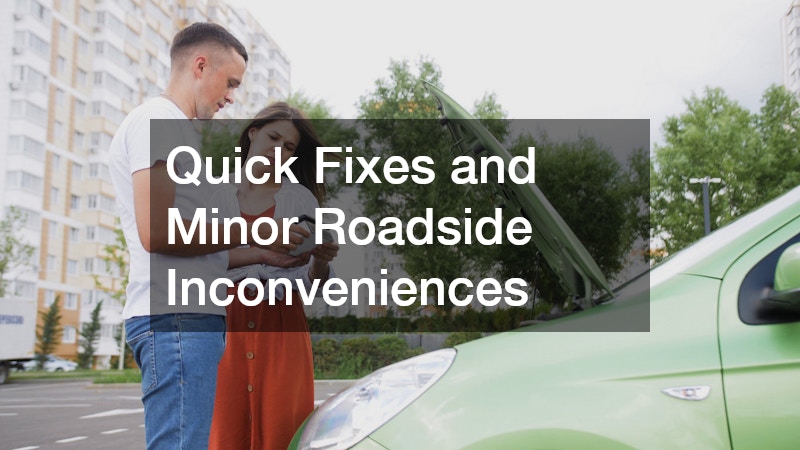
Minor mechanical failures can happen without warning, turning a routine commute into a test of patience. Knowing how to handle these everyday disruptions keeps a bad situation from escalating into a dangerous highway hazard.
Act Fast When Your Car Won’t Start
A clicking sound when you turn the key or a completely dark dashboard usually indicates a depleted electrical system. Before you panic, check for signs of life like dim cabin lights or a slow engine crank to confirm the battery is the culprit rather than a failed starter or alternator. If you are stranded, move the vehicle to a flat, safe area away from active traffic lanes before attempting any repairs.
When you have a donor vehicle positioned nose-to-nose or side-by-side with your car, follow these strict safety steps to restore power:
-
Turn off both vehicles completely and engage their parking brakes.
-
Connect the red positive clamp to the dead battery’s positive terminal, then connect the other red clamp to the live battery’s positive terminal.
-
Attach the black negative clamp to the live battery’s negative terminal.
-
Connect the final black negative clamp to an unpainted, solid metal part of your dead car’s engine block, keeping it far away from the battery itself to prevent sparks.
Properly executed jump starts can revive a dead battery in minutes, but you must let the disabled vehicle run for at least twenty minutes afterward to allow the alternator to restore the baseline charge.
Manage Sudden Visibility and Glass Damage
A tiny stone kicked up by a semi-truck can instantly compromise your line of sight. If a rock strikes your glass on the highway, resist the temptation to blast your defroster or air conditioning, as extreme, sudden temperature shifts can cause a minor chip to spiderweb across the entire glass surface instantly.
Assess the damage as soon as you park safely. If the impact point is smaller than a quarter and is not directly in the driver’s line of vision, it can usually be filled with a clear resin. However, if the crack is deep, long, or positioned along the outer edges where structural integrity matters most, you will need to coordinate a professional windshield replacement right away. Many modern glass technicians offer mobile services that can complete this swap in your driveway or office parking lot, ensuring you do not drive with a dangerously weakened structural frame.
Moderate Breakdowns Requiring Professional Help
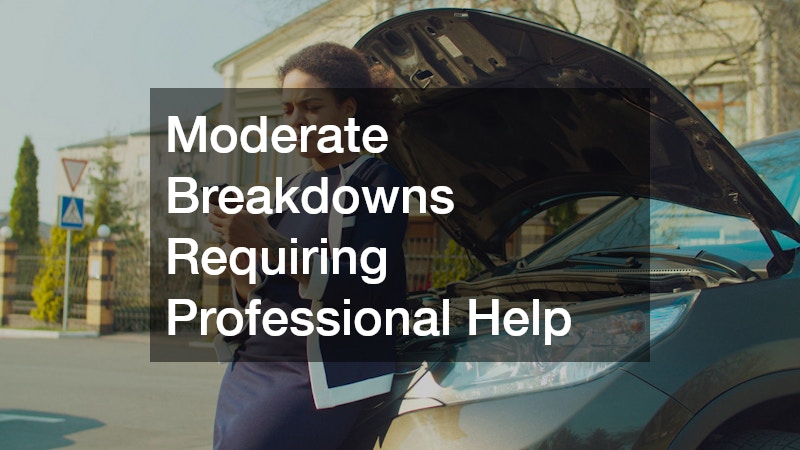
When a vehicle suffers a mechanical failure that makes it completely undriveable, the situation transitions from a quick DIY fix to a scenario requiring professional tools and heavy equipment.
Get Off the Road Safely During a Major Breakdown
If your engine suddenly loses power, your power steering fails, or a tire blows out at high speed, your immediate goal is to get the vehicle to the right shoulder of the road. Use the vehicle’s remaining momentum to steer smoothly toward safety, avoiding sudden braking that could cause trailing drivers to rear-end you. Once you are stopped on the shoulder, activate your hazard lights immediately to warn oncoming traffic.
If you are stuck on a busy highway with narrow shoulders, staying inside the vehicle with your seatbelt buckled is generally much safer than standing on the roadside. Use your smartphone to drop a digital pin of your location or look for nearby mile markers and exit signs. When you call for assistance, request a trusted local towing company to ensure your vehicle is transported by a licensed operator who handles roadside recovery with the proper flatbed equipment, protecting your car from bumper or drivetrain damage during transit.
Deal With Catastrophic Engine Failures
An overheating engine or a sudden cloud of sweet-smelling white smoke from the tailpipe often points to a blown head gasket or a severely warped engine block. Running an engine under these conditions for even a few extra seconds can permanently destroy the metal components beyond repair. Pull over and shut off the ignition the moment the temperature gauge spikes into the red zone.
Once the vehicle is transported to an engine specialist, a thorough pressure test will reveal whether the internal components have warped from the intense heat. If the block itself is still intact, the mechanic will likely recommend a cylinder head machining service to smooth out and resurface the metal top of the engine. This precision process ensures a perfectly flush fit for the new gasket, preventing future fluid leaks and saving you thousands of dollars compared to the cost of purchasing a brand-new crate engine.
Major Mechanical and Drivetrain Overhauls
Drivetrain failures are among the most complex and expensive mechanical issues a car owner can face. Recognizing the warning signs early helps you make smart financial choices before a component fails completely while you are driving.
Diagnose Severe Shifting and Gear Issues
The components responsible for transferring power from your engine to your wheels operate under massive pressure and high temperatures. If you notice your engine revving high without the car accelerating, feel a harsh shudder when shifting gears, or smell a distinct burning aroma after driving, your vehicle is signaling internal gear wear. Ignoring these symptoms will eventually leave you stranded when the gears fail to engage entirely.
When faced with internal component wear, you must choose between purchasing a factory-new assembly or paying a specialist to dismantle your existing setup. Investing in high-quality transmission repairs allows a technician to replace only the worn clutches, seals, and bands inside your original unit. This targeted approach restores your car’s shifting performance to factory standards while keeping the total repair bill significantly lower than a full unit replacement.
Address Grinding Noises and All-Wheel-Drive Failures
Vehicles equipped with four-wheel drive or all-wheel drive rely on secondary gearboxes to split power effectively between the front and rear axles. When the fluid inside these gear housing units breaks down or leaks out, the internal metal gears will begin to rub directly against one another, creating a loud, rhythmic grinding or howling noise that intensifies as your vehicle accelerates.
If you experience binding or resistance when making sharp turns in a parking lot, the internal gears have likely suffered severe physical damage. In these scenarios, scheduling comprehensive differential rebuilds is the best way to restore your drivetrain. A specialist will completely disassemble the housing, replace the damaged ring and pinion gears, install fresh bearings, and reseal the entire unit, ensuring your wheels can spin at different speeds during turns without binding or grinding.
Handling Traffic Collisions and Legal Protections

A physical collision is one of the most stressful experiences a driver can endure. Knowing how to protect your physical health, document the scene, and secure your legal rights is vital during the chaotic moments immediately following a crash.
Protect Yourself at the Scene of a Crash
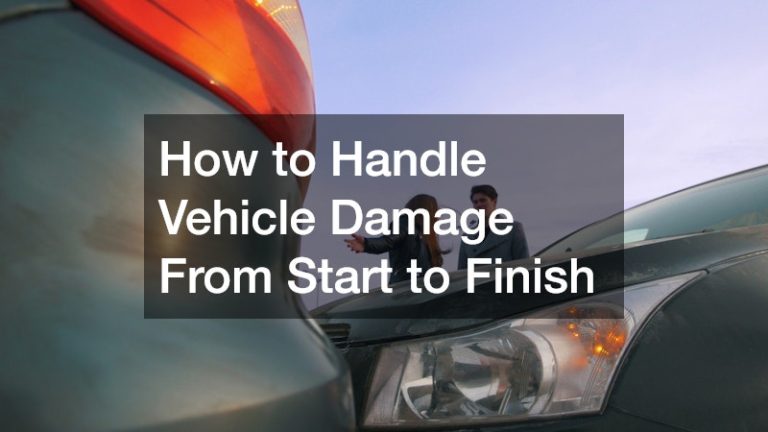
The seconds directly following an impact are critical. Check yourself and your passengers for injuries before attempting to move. If the vehicles are functional and the accident is minor, move them safely out of active traffic lanes to the nearest shoulder or parking lot to prevent a secondary chain-reaction crash. Turn on your hazard lights, step out of the car when it is safe to do so, and call emergency services to request a police officer to document the scene.
While waiting for authorities to arrive, use your phone to gather as much objective data as possible:
-
Photograph all vehicle damage from multiple distances and angles.
-
Capture images of skid marks, traffic signs, road conditions, and the final positions of all involved vehicles.
-
Exchange names, phone numbers, and insurance policy details with the other driver.
-
Collect contact information from any independent witnesses who stopped to help.
Even if the other driver apologizes and admits fault on the scene, their story may change once they speak to their insurers. Consulting an experienced motor vehicle accident lawyer before giving any formal statements ensures your interests are fully protected and prevents you from accidentally waiving your right to compensation for hidden injuries or vehicle damage.
Navigate Complicated Claims and Liability Disputes
As the initial shock of a collision wears off, you may find yourself facing aggressive phone calls from the other driver’s insurance adjusters. These adjusters are trained professionals whose primary goal is to minimize financial payouts for their employers. They may offer a quick cash settlement or pressure you into recorded statements designed to shift the blame for the collision onto your shoulders.
If the details of the crash are disputed or if you are dealing with lingering physical pain, do not navigate this process alone. Aligning yourself with a reputable local attorney gives you a dedicated advocate who understands the specific traffic laws and insurance regulations of your jurisdiction. Your legal representative will manage all communications with the opposing insurance companies, gather official police reports, and build a solid case to ensure your medical bills and property damage are fully paid.
The Aftermath: Insurance and Vehicle Disposition
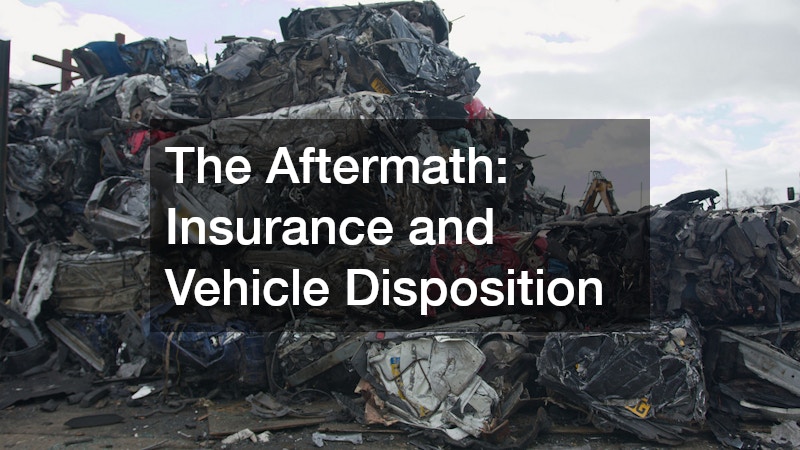
Once the immediate danger and legal steps of an auto incident are resolved, you must handle the long-term financial logistics of fixing or parting ways with your vehicle.
Streamline Your Post-Incident Claims Process
Filing a comprehensive claim requires organizing all the documentation you collected at the scene, including the police report number, medical evaluations, and repair shop estimates. Presenting an organized, fact-based narrative right from the start makes it much harder for an insurer to delay or deny your claim. Keep detailed records of every phone call, email, and repair invoice throughout the entire process.
When you submit your paperwork, work closely with your personal insurance agency to determine how your policy handles deductibles and rental car coverages. A supportive agent will help you understand whether it is financially beneficial to file a claim under your own comprehensive policy or pursue the other driver’s liability coverage, helping you restore your vehicle with minimal out-of-pocket expenses.
Cut Your Losses on a Totaled Vehicle
Sometimes, the damage to a vehicle is so severe that the estimated repair costs exceed eighty percent of the car’s actual market value. When an insurer declares a vehicle a total loss, they will offer you a payout based on the car’s pre-accident value. If you choose to keep the damaged vehicle or if you own an older car without collision coverage, you must find a practical way to manage the leftover salvage.
Leaving a severely damaged vehicle sitting in a driveway or yard creates an environmental hazard and can result in local code violations. A smart way to recoup some residual value is to sell the vehicle directly to an operation that handles scrap metal recycling. These facilities will weigh the vehicle and pay you cash based on the current market value of the raw steel, aluminum, and precious catalytic metals, ensuring the remains of your vehicle are repurposed responsibly without harming the environment.
Automotive incidents can range from simple battery failures to life-altering highway collisions, but the key to managing them successfully remains the same: preparation and clear-headed execution. By understanding how to address minor electrical issues, manage catastrophic mechanical breakdowns, and protect your legal rights after an accident, you take complete control of your safety on the road.
About the Author