Owning a car brings freedom, convenience, and independence—but it also comes with responsibility. Whether you drive a compact car, an SUV, or a truck, understanding how vehicles work and how to maintain them is essential for safety and cost savings. Car repairs can seem intimidating at first, but with the right knowledge and approach, even beginners can handle basic maintenance, troubleshoot minor issues, and make informed decisions when professional help is needed.
This guide provides a comprehensive overview of essential car repair knowledge for beginners. From understanding how your car works to handling emergencies, coordinating professional services, and performing simple DIY fixes, this handbook will help you navigate vehicle maintenance with confidence. Each section focuses on practical advice, clear explanations, and actionable tips to make your car safer, more reliable, and longer-lasting.
1. Understanding Your Vehicle: The Basics of Car Ownership
Before attempting any repairs, it’s important to understand the main systems in your car and how they work together. A car mechanic’s job is to diagnose and resolve issues across these systems, but having a basic understanding yourself helps you communicate clearly, recognize potential problems early, and make better decisions about when professional help is necessary. Even a little knowledge of your vehicle’s inner workings can save you time, money, and frustration in the long run.
Key Components Every Beginner Should Know:
Engine: Converts fuel into mechanical power to move the car. Familiarity with timing belts, serpentine belts, oil circulation, and cooling systems helps prevent major breakdowns. Recognizing signs of overheating, oil leaks, or strange noises can indicate underlying engine issues before they become critical.
Transmission: Transfers power from the engine to the wheels. Knowing the basics of automatic and manual transmissions, along with common warning signs like delayed gear engagement or unusual noises, can prevent expensive repairs. Regular transmission fluid checks are essential for smooth operation.
Brakes and Suspension: Crucial for safety, the braking system includes pads, rotors, and brake fluid, while the suspension includes struts, shocks, and control arms. Understanding how these parts interact can help you identify uneven tire wear, pulling, or excessive vibrations that signal problems.
Electrical System: Powers lights, sensors, ignition, and onboard computers. A weak battery, corroded terminals, or a blown fuse is often the first warning of an electrical issue. Learning to inspect basic connections and fuses can prevent more serious failures.
Tips for Beginners:
- Check fluid levels weekly (oil, coolant, brake, and windshield washer).
- Keep a small toolkit with basic wrenches, screwdrivers, pliers, and a tire pressure gauge.
- Learn to read dashboard warning lights and understand what each indicates.
- Develop a routine for inspecting belts, hoses, tires, and battery terminals for signs of wear or damage.
- Keep a simple maintenance log to track repairs, inspections, and fluid changes.
By understanding these fundamental systems and following a simple maintenance routine, beginners can become more confident in caring for their vehicles. This knowledge not only improves everyday reliability but also allows a car mechanic to focus on complex repairs when professional intervention is needed.
2. Handling Accidents
Accidents can happen even to the most careful drivers. Knowing how to manage minor collisions and coordinate repairs is essential not only for safety but also for protecting your financial investment in your vehicle. Handling a collision correctly can prevent further damage, reduce stress, and make insurance claims smoother.
Immediate Steps After an Accident:
- Ensure safety first: Move yourself and passengers to a safe area, preferably off the road. Check for injuries and call emergency services if necessary. Safety should always be your top priority.
- Document the scene: Take clear photos of all vehicles, damages, license plates, and any relevant road conditions. Record the time, date, and location, which can be helpful for insurance claims.
- Exchange information: Share insurance details, phone numbers, and vehicle information with the other party involved. Avoid discussing fault at the scene—stick to facts only.
- Avoid hasty repairs: Do not attempt quick fixes before professional assessment. Temporary repairs can sometimes cause more problems if done incorrectly.
Working with an Auto Body Repair Shop:
- Car collision repairs may involve frame alignment, dent removal, paint touch-ups, or full panel replacement.
- Obtain multiple estimates to ensure fair pricing and compare services.
- Ask about warranties on both repairs and materials, including paint and replacement parts.
Tips for Beginners:
- Keep an emergency kit in your car with first aid supplies, a flashlight, reflective triangles, and insurance documents.
- Maintain detailed records of all repairs for insurance purposes and future resale value.
- Understand your insurance policy to know if repairs fall under collision, comprehensive, or other coverage.
By following these steps, beginners can handle accidents responsibly, avoid costly mistakes, and ensure their vehicle is repaired safely and efficiently. Proper preparation and documentation not only protect your safety but also preserve your car’s value for years to come.
3. Emergency Assistance
Sometimes, your car may become undrivable due to breakdowns, engine failure, or accidents. Knowing when and how to call a towing service is critical for preventing further damage, protecting your safety, and avoiding costly repairs. A poorly executed tow can cause significant damage to the drivetrain, suspension, or body of your vehicle, so understanding proper procedures is essential, especially for beginners.
Situations That Require Towing:
- Engine failure or overheating: If your car suddenly loses power, stalls, or overheats and cannot safely reach a repair facility, it’s time to call a tow.
- Accidents or collisions: Even minor accidents can compromise vehicle safety. Driving a damaged car may put you at risk and cause additional mechanical issues.
- Flat tires or brake failure: Situations where on-the-spot repairs aren’t possible, or safety is a concern, warrant professional towing.
Tips for Using a Towing Service:
- Whenever possible, request a flatbed tow to keep all wheels off the ground and prevent drivetrain damage.
- Clearly communicate the car’s issue, any damage, and whether it has an automatic or manual transmission.
- Keep insurance, roadside assistance, and vehicle registration information accessible to speed up service.
Precautions for Beginners:
- Avoid attempting to tow your car with a standard rope or chain unless you fully understand the risks and conditions. Improper towing can bend axles, damage brakes, or compromise safety.
- Never attempt towing on busy roads or steep grades without proper equipment.
- Follow professional advice and instructions carefully when preparing your car for transport, including securing loose parts, engaging the parking brake, and turning off electronics.
Having a reliable towing service on call provides peace of mind. Whether facing a mechanical failure, accident, or emergency, prompt and professional towing ensures your vehicle is handled safely, preventing further damage and keeping you out of potentially dangerous situations. For beginners, preparation, knowledge, and access to trustworthy services are key components of responsible vehicle ownership.
4. Maintaining Exterior Appearance
Cracked or chipped glass can compromise safety, visibility, and overall vehicle integrity. Auto glass services handle repair and replacement for windshields, side windows, and rear glass.
Common issues:
- Small chips from rocks or debris.
- Cracks that spread over time due to temperature changes.
- Broken windows due to accidents or vandalism.
Tips for beginners:
- Small chips can sometimes be repaired using DIY kits, but large cracks require professional service.
- Avoid slamming doors or exposing the car to extreme heat, which can worsen existing damage.
- Ensure auto glass is installed correctly to maintain structural integrity, especially for airbags.
Benefits of professional services:
- Certified technicians ensure proper fit and seal.
- High-quality glass improves visibility and safety.
- Repairs are faster and more reliable than DIY fixes for significant damage.
Maintaining clear, intact glass improves safety, prevents leaks, and helps preserve the vehicle’s value.
5. On-the-Go Repairs
Mobile repair services are becoming increasingly popular, offering the convenience of on-site solutions for cars and larger vehicles. These services are particularly useful when you cannot safely drive your vehicle to a shop.
Common mobile repairs:
- Battery replacements and jump-starts.
- Brake adjustments or minor repairs.
- Engine diagnostics and fluid top-offs.
Tips for beginners:
- Confirm the mobile repair service is licensed and insured.
- Communicate the exact symptoms so technicians arrive prepared.
- Keep your vehicle accessible and safe for the repair team.
Advantages:
- Saves time and avoids the need for towing for minor issues.
- Immediate attention can prevent further damage.
- Ideal for fleet vehicles or trucks with specialized needs.
Mobile truck repair services provide on-site convenience while keeping vehicles operational without major disruptions.
6. Transmission Care: Avoiding Costly Repairs
Transmission issues are often expensive to repair, making preventative care essential. Understanding warning signs and maintenance routines can save significant costs.
Signs of transmission problems:
- Slipping gears or delayed engagement.
- Strange noises like whining or grinding.
- Leaking transmission fluid or burnt smell.
Maintenance tips:
- Check fluid levels regularly.
- Follow the manufacturer’s schedule for transmission service.
- Avoid harsh driving habits like sudden acceleration or towing beyond limits.
Role of a transmission shop:
- Professionals can diagnose complex issues with specialized equipment.
- They handle fluid changes, clutch replacements, and full rebuilds safely.
- Early intervention prevents complete transmission failure.
For beginners, recognizing early signs and scheduling professional service is key to avoiding expensive repairs and downtime.
7. Braking System Maintenance
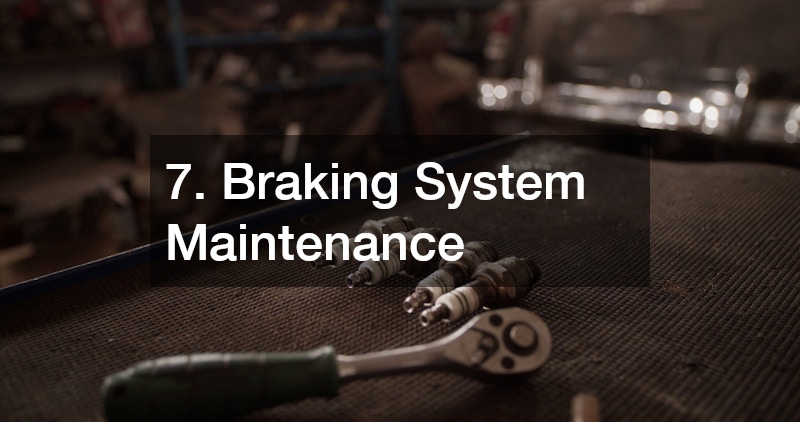
Brakes are critical for safety. Understanding how to monitor and maintain braking systems helps prevent accidents and costly repairs.
Signs brakes need attention:
- Squealing, grinding, or unusual noises.
- Soft or spongy brake pedal.
- Longer stopping distances or vibrations.
Maintenance tips:
- Regularly inspect brake pads, rotors, and brake fluid levels.
- Replace worn pads promptly to prevent rotor damage.
- Schedule periodic inspections with a brake repair service.
Safety reminders:
- Never ignore unusual noises or vibrations.
- Bleeding the brake system may require professional tools.
- Avoid DIY work on brakes unless fully confident and knowledgeable.
Keeping your braking system in top condition ensures safety for you and your passengers while extending the life of components.
8. Finding Reliable Help Locally
Having a trustworthy repair shop nearby is invaluable for routine maintenance and unexpected issues. Local auto repairs offer convenience and often personalized service.
Tips for selecting a shop:
- Check reviews and ask for recommendations.
- Verify certifications, licenses, and insurance.
- Ask questions about experience with your vehicle make and model.
Benefits of local shops:
- Familiarity with community regulations and vehicle trends.
- Shorter wait times and personalized service.
- Easier follow-up for warranty or repeat maintenance.
For beginners, building a relationship with a reputable local auto repair shop ensures peace of mind and consistent service quality.
9. Understanding Vehicle Diagnostics
Modern cars rely heavily on electronics and sensors, making diagnostics a crucial step in repairs. An auto mechanic’s expertise ensures accurate identification and resolution of issues.
Diagnostic basics:
- OBD-II scanners detect engine codes and system alerts.
- Mechanics use visual inspections combined with electronic testing.
- Understanding basic codes helps you communicate effectively with professionals.
Tips for beginners:
- Learn to read warning lights and basic diagnostic codes.
- Keep records of repairs and codes for future reference.
- Recognize when a problem is beyond DIY repair and requires an auto mechanic.
Accurate diagnostics save time, prevent unnecessary repairs, and improve the longevity of your vehicle.
10. Maintaining Vehicle Health: Preventative Maintenance Tips
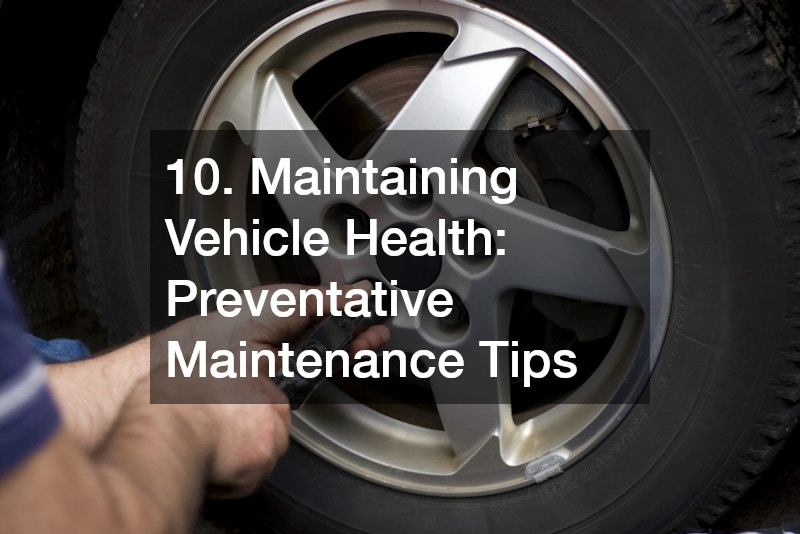
Preventative maintenance is the best way to avoid major repairs. Regular checkups, timely servicing, and minor cosmetic care keep your vehicle running efficiently and looking great.
Routine maintenance:
- Oil changes, fluid checks, and tire rotations.
- Scheduled inspections by a car mechanic.
- Battery, filter, and belt replacements according to manufacturer recommendations.
Cosmetic upkeep:
- Occasional visits to an auto body repair shop for minor dents and scratches.
- Regular washing and waxing to protect paint and prevent rust.
Benefits:
- Improves safety, efficiency, and longevity.
- Helps maintain resale value.
- Detects small issues before they become costly problems.
A proactive maintenance plan ensures your vehicle remains reliable, attractive, and safe for years to come.
Learning the basics of car repair empowers beginners to maintain, troubleshoot, and care for their vehicles confidently. Combining DIY knowledge with professional services ensures safety, prevents costly mistakes, and improves the lifespan of your car.
From understanding mechanical systems and emergency procedures to coordinating repairs, performing preventive maintenance, and working with trusted professionals, this handbook provides practical guidance to navigate the complexities of car ownership. With consistent attention and proper care, your vehicle can remain reliable, efficient, and enjoyable for many years, giving you peace of mind on every journey.
About the Author