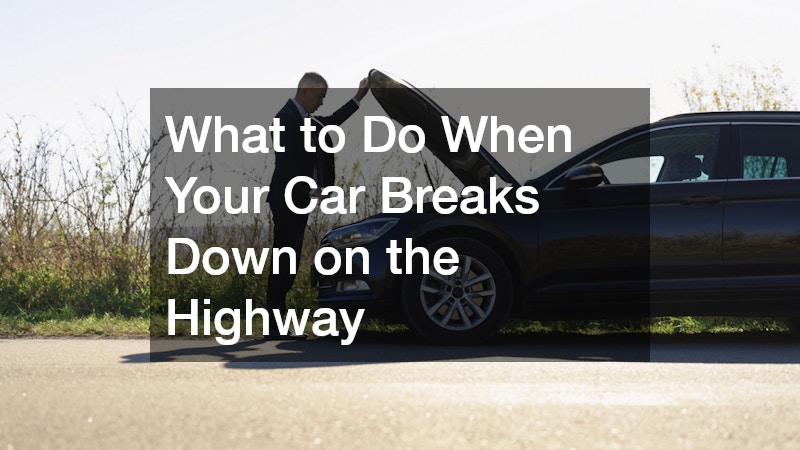
A car breaking down on the highway can be a stressful and even dangerous experience. Fast-moving traffic, limited shoulder space, and uncertainty about what went wrong can quickly overwhelm any driver. Knowing how to respond in these moments is essential not only for your safety but also for minimizing disruption to others on the road. By understanding the right steps to take, you can stay calm, protect yourself, and resolve the situation as efficiently as possible.
How to Ensure Your Safety
Pull Over to a Safe Location
The moment you notice something is wrong, whether it’s a strange noise, loss of power, or warning lights, your priority should be getting out of active traffic. Signal early and carefully guide your vehicle to the right shoulder or an emergency lane.
If possible, aim for a flat, visible area away from curves or hills where other drivers can easily see you.
If your car cannot move under its own power, do your best to steer it as far off the roadway as possible. Even a few extra feet away from traffic lanes can significantly reduce the risk of a collision.
Use Safety Signals
Once stopped, immediately turn on your hazard lights to alert other drivers. Visibility is critical in preventing accidents. If you have reflective triangles or road flares in your vehicle, place them behind your car at increasing distances (typically 10, 50, and 100 feet) to give approaching drivers ample warning.
At night or in bad weather, these signals become even more important. Reflective gear, such as a safety vest, can also make you more visible if you need to step outside your vehicle.
Stay Inside the Vehicle
In most highway situations, it is safest to remain inside your car, especially if traffic is heavy or moving at high speeds. Keep your seatbelt fastened and avoid standing near the roadway. However, if your vehicle is in a particularly precarious position, like on a narrow shoulder or near a blind curve, it may be safer to exit the car and move well away from traffic, ideally behind a guardrail.
Use your judgment based on the environment, but always prioritize distance from moving vehicles.
Immediate Steps to Take
Call for Assistance
After securing your immediate safety, reach out for help. This could mean contacting roadside assistance through your insurance provider, an auto club, or local towing services. Many drivers rely on professional towers who are equipped to handle everything from simple tows to complex recoveries.
If you feel unsafe or your car is obstructing traffic, don’t hesitate to call emergency services. They can provide traffic control and ensure the situation doesn’t escalate into a more serious hazard.
Assess the Problem
If it is safe to do so, take a moment to evaluate what might have caused the breakdown. Look for obvious signs such as a flat tire, overheating engine, or a dead battery. Pay attention to dashboard warning lights or unusual smells like burning rubber or oil.
Understanding the issue can help you communicate more effectively with assistance providers and may even speed up the repair process once help arrives.
Attempt Basic Repairs
In some cases, you may be able to fix the issue yourself. Common problems like a flat tire or a loose battery connection can sometimes be resolved with basic tools and a little know-how. However, only attempt repairs if you feel confident and it is safe to do so.
Never try to fix a problem while your vehicle is too close to moving traffic. If conditions are not ideal, it’s better to wait for professional help rather than risk injury.
How to Avoid Future Breakdowns
Regular Vehicle Maintenance
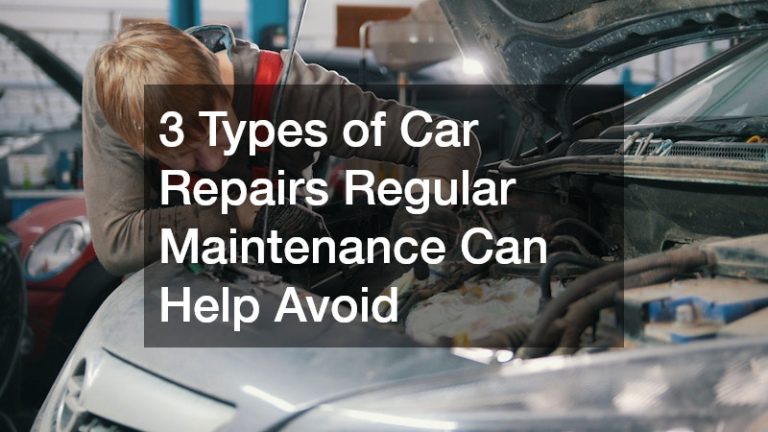
One of the most effective ways to prevent breakdowns is by staying on top of routine maintenance. Regular oil changes, tire rotations, brake inspections, and fluid checks can help identify potential issues before they become serious problems.
Pay attention to your vehicle’s maintenance schedule and address warning signs early. Ignoring small issues can lead to costly and inconvenient breakdowns later, often at the worst possible time.
Emergency Supplies Kit
Being prepared can make a significant difference in how you handle a roadside emergency. Keep a well-stocked emergency kit in your vehicle that includes a flashlight, jumper cables, a tire repair kit, bottled water, non-perishable snacks, and a first aid kit.
Additional helpful items include a portable phone charger, blankets, and basic tools. These supplies can provide comfort and practicality while you wait for assistance, especially in extreme weather conditions.
Becoming Familiar with Your Vehicle
Understanding your car’s basic functions can empower you to respond more effectively in an emergency. Learn how to check fluid levels, change a tire, and recognize warning lights on your dashboard.
Familiarity with your vehicle also helps you notice when something isn’t right. Strange noises, vibrations, or performance changes are often early indicators of a problem. Addressing them promptly can prevent a minor issue from turning into a full breakdown on the highway.
Experiencing a car breakdown on the highway is never convenient, but it doesn’t have to be overwhelming. By focusing on safety first, using proper signals, and seeking assistance when needed, you can navigate the situation with confidence. Taking proactive steps like regular maintenance, carrying emergency supplies, and learning more about your vehicle will also reduce the likelihood of future incidents.
Preparation and awareness are your best tools on the road. When you know what to do, even an unexpected breakdown becomes a manageable situation rather than a crisis.
About the Author