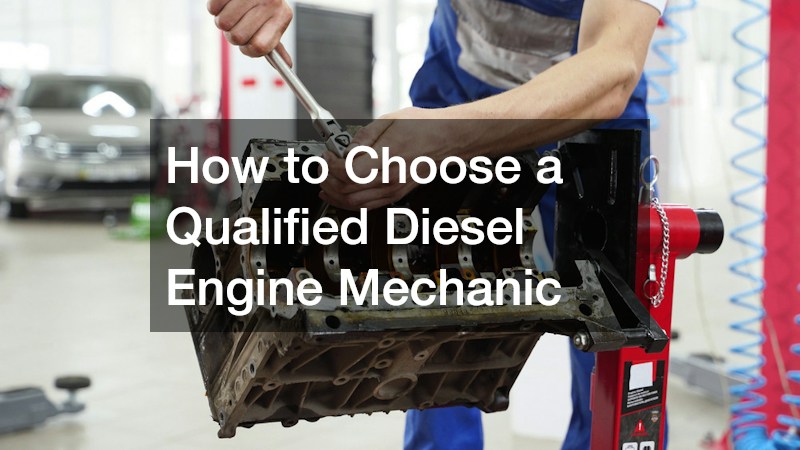
Modern diesel engines are remarkable feats of mechanical power and thermal efficiency. Designed to pull heavy payloads, operate under extreme pressure, and log hundreds of thousands of miles, they are the undisputed workhorses of commercial logistics, construction, and personal towing. However, the sophisticated high-pressure common rail fuel systems, variable-geometry turbochargers, and complex exhaust aftertreatment networks that make modern diesels so powerful also make them incredibly complex.
Unlike standard gasoline engines, diesels operate under immense combustion pressures and tight mechanical tolerances. Diagnosing a subtle power loss, an erratic idle, or an unexpected cooling system failure requires far more than basic mechanical intuition. It demands specialized electronic diagnostic equipment, precision measuring tools, and a deep understanding of diesel thermodynamics. Entrusting your truck to an under-qualified technician is one of the quickest ways to turn a minor sensor issue into a multi-thousand-dollar engine catastrophe.
Finding a truly qualified diesel technician requires a deliberate, informed vetting process. Whether you manage a commercial fleet of delivery trucks or rely on a single heavy-duty pickup for your livelihood, knowing how to evaluate a repair facility protects both your vehicle and your wallet. This comprehensive guide provides a step-by-step roadmap for assessing certifications, evaluating diagnostic capabilities, verifying emergency support services, and establishing a transparent working relationship with a shop you can trust for the long haul.
Verify Technical Credentials and Specialized Certifications

The first line of defense against poor workmanship is verifying a shop’s formal technical credentials and ongoing training standards. The automotive repair industry evolves rapidly, and diesel technology changes even faster as emission standards and electronic control units become more sophisticated. A shop that relies on outdated diagnostic methods will struggle to pinpoint modern driveability issues accurately.
While basic vocational certificates demonstrate a foundational understanding of mechanics, look for specialized credentials from national testing organizations. National Institute for Automotive Service Excellence (ASE) certifications indicate that a technician has passed rigorous industry exams and logged years of hands-on experience. Specifically, look for the ASE Medium/Heavy Truck certification series (T2 through T8) or the Advanced Level Specialist (L2) credential, which focuses specifically on advanced electronic diesel engine diagnosis.
It is also important to distinguish between a general retail business and a specialized heavy-duty service facility. A general car repair shop may excel at routine maintenance, brake jobs, and oil changes for passenger vehicles, but they often lack the heavy-duty lifts, specialized engine stands, and proprietary software required for deep diesel engine repair.
When evaluating a prospective facility, ask the service manager directly about their experience with your specific engine family—whether it is a Powerstroke, Duramax, Cummins, Detroit, or International. A qualified shop should readily explain their experience with common failure points on your specific engine model, from high-pressure oil pump failures to EGR cooler ruptures.
Assess Emergency Support, Mobile Capabilities, and Towing Solutions
Engine breakdowns rarely happen at convenient times or near your home garage. A breakdown often occurs on a remote highway, at a busy job site, or in the middle of a critical delivery run. Therefore, evaluating a repair facility’s emergency response infrastructure is just as important as inspecting their indoor work bays.
A top-tier diesel service provider understands that downtime equals lost revenue. When looking for a primary repair partner, inquire whether they offer or partner with a local mobile truck repair service. Mobile service units equipped with portable diagnostic computers, air compressors, and common replacement parts can resolve minor issues—such as blown intercooler boots, failed sensors, or fuel prime issues—right where your vehicle sits, saving you thousands in transport fees.
For major internal engine failures, transmission lockups, or severe cooling system meltdowns, on-site repair is not an option. Your shop must have reliable, professional logistics in place to transport your rig safely.
Working with a facility that maintains a direct partnership with heavy truck towing services ensures that your vehicle is recovered using the correct wheel-lift, flatbed, or landoll equipment. Improperly hauling a heavy-duty truck—such as failing to disconnect the driveshaft on a disabled rear-wheel-drive unit—can destroy the transmission before the truck even reaches the shop.
Questions to ask a shop regarding emergency logistics include:
- Dispatch Response Times: What is the average arrival window for mobile roadside diagnostic units within a 50-mile radius?
- Hauling Capacity: Does your preferred towing partner possess the rigging and winch capacity to transport fully loaded work trucks or Class 8 tractors?
- Secure Storage Facilities: Is there a secure, monitored yard to hold disabled vehicles arriving after business hours?
- On-Call Service Availability: Do you offer 24/7 emergency dispatch support for commercial accounts?
Inspect Shop Capabilities for Structural, Glass, and Engine Overhauls

A true mark of an established diesel repair center is the depth and breadth of their facility infrastructure. High-level engine diagnostics and structural overhauls require heavy machinery, pristine cleanroom environments for fuel component assembly, and multi-bay layouts that can accommodate large vehicles simultaneously.
When an engine suffers a catastrophic mechanical failure—such as a dropped valve, spun bearing, or cracked cylinder head—the repair process demands meticulous attention to detail. Performing major diesel engine repairs requires specialized engine stands, overhead gantry cranes, precision micrometers, and pressure-testing tanks to check for micro-fractures in engine blocks and heads.
While engine performance is paramount, a well-managed shop also recognizes that total vehicle safety includes clear visibility and cabin integrity. Choosing a full-service facility that coordinates auxiliary repairs—such as arranging an auto glass replacement while your engine is pulled for a rebuild—saves you from having to schedule multiple appointments across different specialty shops, reducing total vehicle downtime.
Key physical facility features to look for during a shop walk-through include:
- Dedicated Engine Cleanrooms: Clean, dust-controlled work areas reserved specifically for building fuel injectors, high-pressure pumps, and internal engine assemblies.
- Modern Overhead Crane Systems: Heavy-duty hoist networks capable of lifting multi-thousand-pound engine blocks cleanly out of tight engine compartments without damaging firewall wiring.
- Comprehensive Fluid Handling Equipment: Professional fluid extraction and flushing machines that guarantee air-free cooling system refills and clean oil circulation.
- In-House Precision Tooling: Availability of deck levellers, valve refacers, and thread repair systems for immediate block reconditioning.
Evaluate Commercial Fleet Support and Preventive Maintenance Programs
If you operate multiple work trucks, light-duty delivery vans, or heavy haulers, your repair needs extend far beyond simple drop-in fixes. You require a strategic partner who understands fleet utilization rates, preventive maintenance schedules, and the total cost of ownership. Unplanned downtime can cripple a business’s operational schedule and damage customer relationships.
Top-tier diesel facilities offer structured maintenance programs designed to catch minor wear items long before they escalate into highway breakdowns. Rather than waiting for a check engine light or a sudden loss of power, a proactive shop tracks engine hours, fuel consumption metrics, and oil analysis reports to schedule service during planned off-peak hours.
Partnering with a provider that specializes in local fleet service repairs gives commercial managers access to dedicated account representatives, centralized billing, and priority bay access. A shop that understands commercial operations will work to streamline maintenance workflows so your drivers spend less time in the waiting room and more time on the road making deliveries.
Furthermore, a shop experienced in managing fleet operations should be equipped to perform comprehensive diesel truck repair across various makes and chassis sizes. From light-duty pickups to medium-duty box trucks, having a single, reliable shop manage your entire fleet simplifies record-keeping and ensures consistent service standards across all your equipment.
Essential elements of an effective commercial fleet maintenance program include:
- Fluid Sampling and Oil Analysis: Periodically sending engine oil samples to a laboratory to test for microscopic metal wear, fuel dilution, and coolant contamination.
- DPF and Emissions Tracking: Monitoring Diesel Particulate Filter (DPF) soot loading and regeneration frequencies to prevent costly exhaust filter replacements.
- Custom Maintenance Logs: Maintaining digital service histories for every vehicle in your fleet to streamline DOT inspections and enhance resale values.
- Staggered Service Scheduling: Structuring routine maintenance visits around your business’s low-volume days to keep your core operational fleet active.
Demand Transparent Pricing, Guarantees, and Recovery Infrastructure

The professional repair industry thrives on trust, clarity, and open communication. One of the clearest indicators of an untrustworthy shop is vague pricing, hidden fees, or resistance when asked for a detailed, itemized estimate. A qualified diesel facility takes pride in its diagnostic accuracy and stands behind its work with clear warranties and transparent pricing.
Modern diesel diagnostics require significant investments in OEM-level software, oscilloscope equipment, and ongoing technician training. Because finding the root cause of a complex electrical or hydraulic fault requires systematic testing, reputable shops charge a dedicated diagnostic fee. Reputable facilities also back their diagnostic work with deep technical knowledge, often drawing from specialized engineering services to analyze unusual structural failures, metal fatigue, or custom performance modifications.
When severe mechanical damage leaves your truck completely immobilized on the side of the road, the recovery process itself must be handled with care. A reputable shop will coordinate transport using a dedicated tow truck equipped with heavy-duty wheel-lifts or low-angle flatbeds to ensure your vehicle is transported safely without causing secondary driveline damage.
To protect your investment and avoid unexpected billing surprises, follow these guidelines when approving shop work:
- Demand Written Estimates: Never approve major repairs based solely on a brief verbal phone conversation; insist on receiving an itemized digital or physical estimate breaking down parts, labor, and shop fees.
- Verify Parts Quality: Ask whether the shop uses Original Equipment Manufacturer (OEM) parts or high-grade aftermarket components, and avoid facilities using unbranded, low-quality import parts.
- Confirm Warranty Terms: Look for shops offering a minimum 12-month / 12,000-mile nationwide warranty on all parts and labor, with extended coverage on complete engine rebuilds.
- Review Replaced Parts: Request that the shop save all old, damaged parts so you can inspect the failure points yourself before paying the final bill.
Analyze Diagnostic Methodologies and Technology Standards
A shop’s approach to diagnosing complex engine faults says a lot about its professionalism and overall work quality. When assessing a prospective diesel mechanic, inquire about the specific diagnostic tools and procedures they use before opening the engine. Inexperienced technicians often rely on “parts-cannon” mechanics—replacing expensive sensors and components indiscriminately until the underlying issue disappears—which results in bloated repair bills for the vehicle owner.
Qualified diesel technicians utilize a structured process combining physical measurements and computer analytics. They utilize oscilloscope patterns to test sensor signals, perform cylinder contribution tests, measure crankcase blow-by pressure, and check high-pressure fuel rail tolerances under load. By insisting on precise data verification prior to executing teardowns, a professional shop isolates the true root cause, preventing unnecessary component replacements and ensuring long-term reliability.
Build a Long-Term Preventive Maintenance Strategy
Selecting a qualified mechanic is not merely about finding someone to fix your engine when it breaks down; it is about establishing a long-term partnership that minimizes operational wear. Proactive vehicle maintenance is exponentially cheaper than reactive emergency repairs, especially when dealing with high-pressure diesel injection systems and turbochargers.
A trusted diesel technician will work with you to customize a preventive maintenance schedule based on your vehicle’s specific operational demands, tow weights, and idle times. By regularly analyzing oil samples for fuel dilution or coolant leaks, replacing fuel filters before pressure drops occur, and monitoring exhaust gas temperatures, your mechanic acts as a guardian for your engine’s longevity, ensuring your vehicle stays on the road for hundreds of thousands of miles.
Your diesel truck is far more than a simple mode of transportation—it is a powerful tool, a substantial financial asset, and often the cornerstone of your daily livelihood. Handing the keys over to an unvetted mechanic exposes you to unnecessary risk, prolonged downtime, and inflated repair costs.
By taking a proactive approach to selecting a repair partner—verifying technical certifications, inspecting facility infrastructure, evaluating fleet maintenance capabilities, and demanding complete billing transparency—you establish a relationship built on trust and professional accountability.
Do not wait for a low oil pressure warning or a roadside breakdown to begin searching for a qualified technician. Take the time today to research local service centers, ask the right questions, and partner with a dedicated diesel specialist who will keep your engine running smoothly, efficiently, and reliably for hundreds of thousands of miles to come.
About the Author